
Design Trends & Innovations
Where Function Meets Experience in Hospitality Showers
The hospitality shower is no longer a secondary feature hidden behind bathroom doors. It has evolved into a centerpiece of guest experience, shaping first impressions, emotional well-being, and brand identity.
At Hospitality Showers, we explore the latest trends and innovations redefining this essential space — blending aesthetics, sustainability, wellness, and technology to meet the expectations of today’s global travelers.
Explore Insights →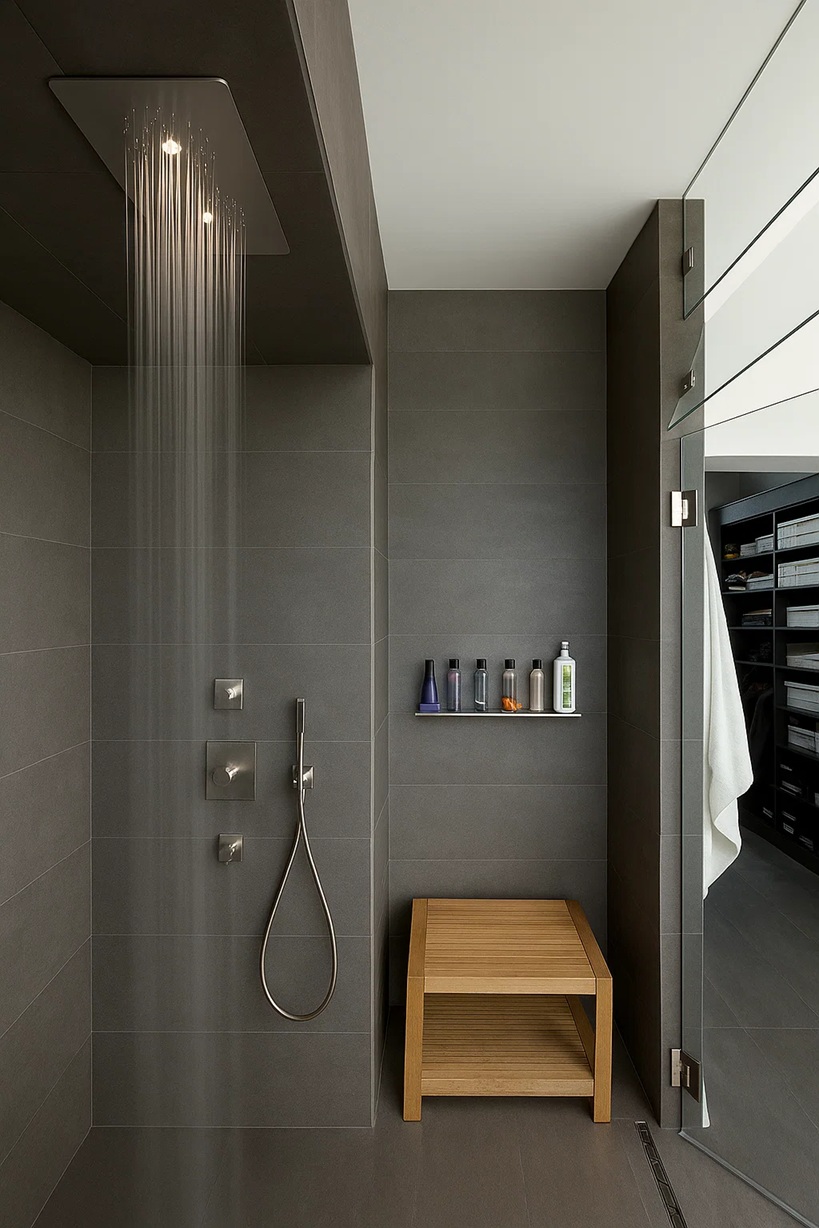
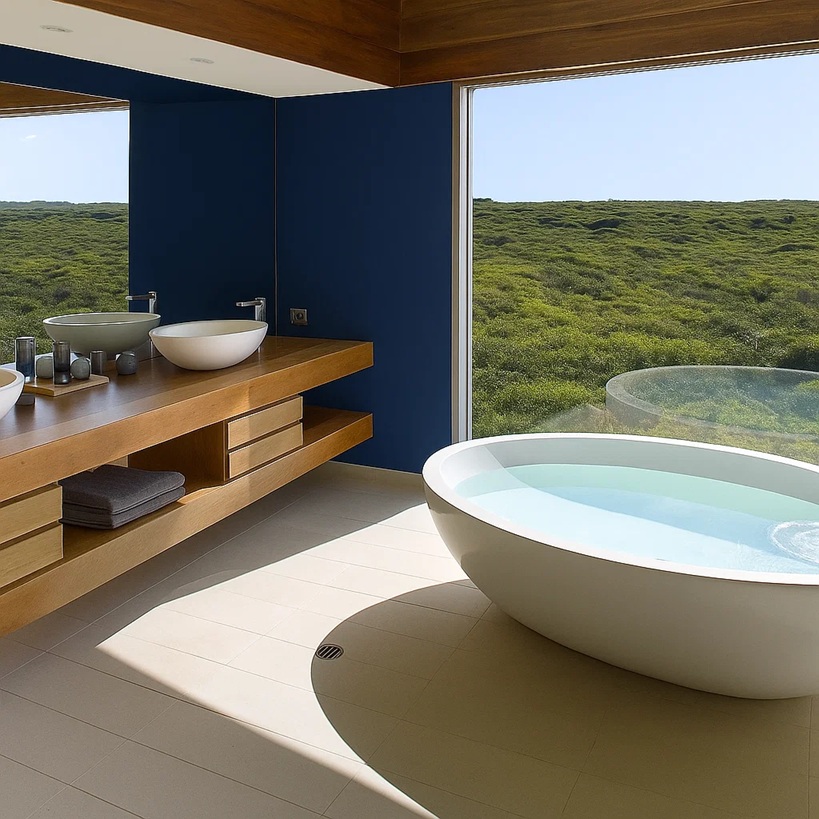
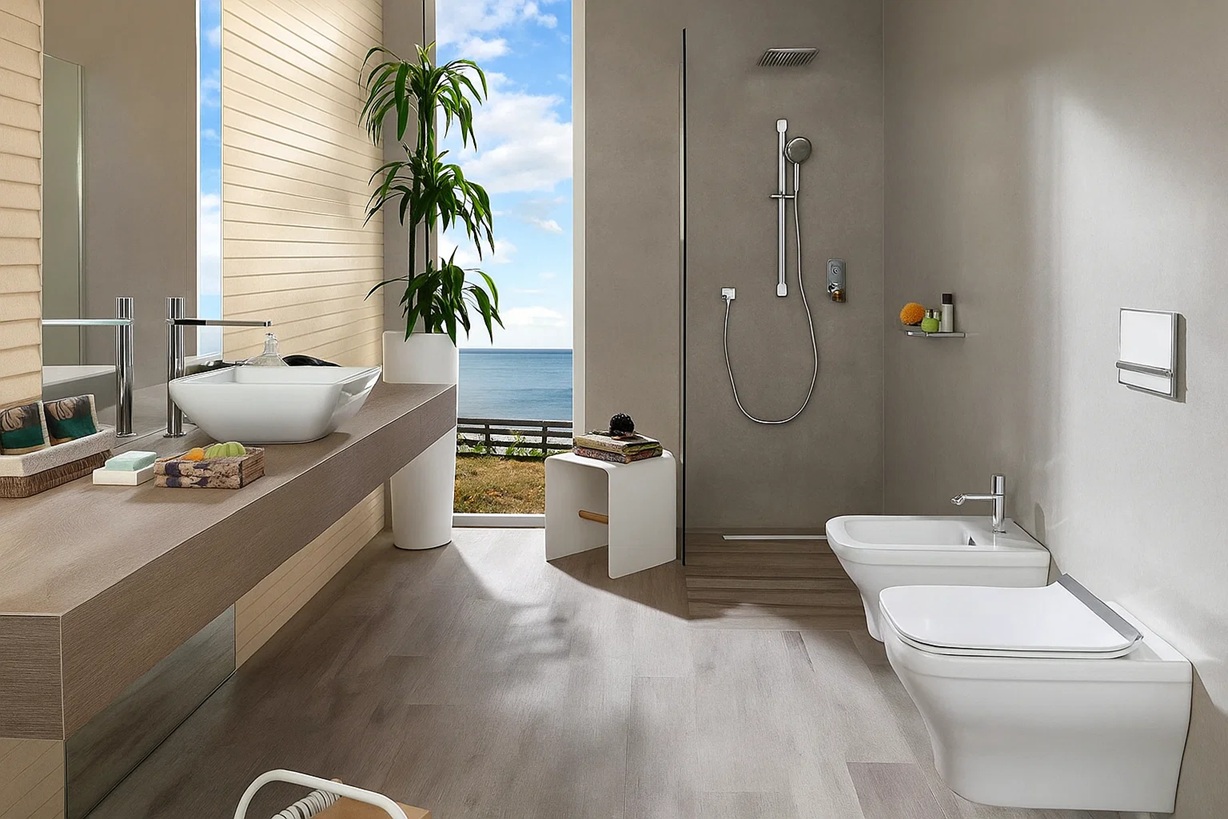
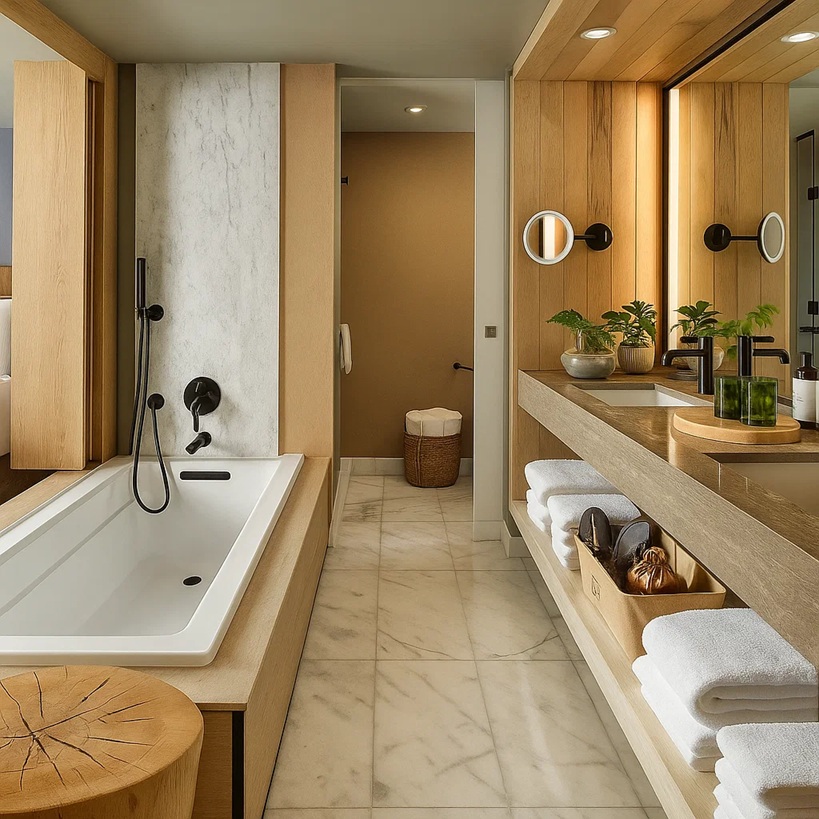
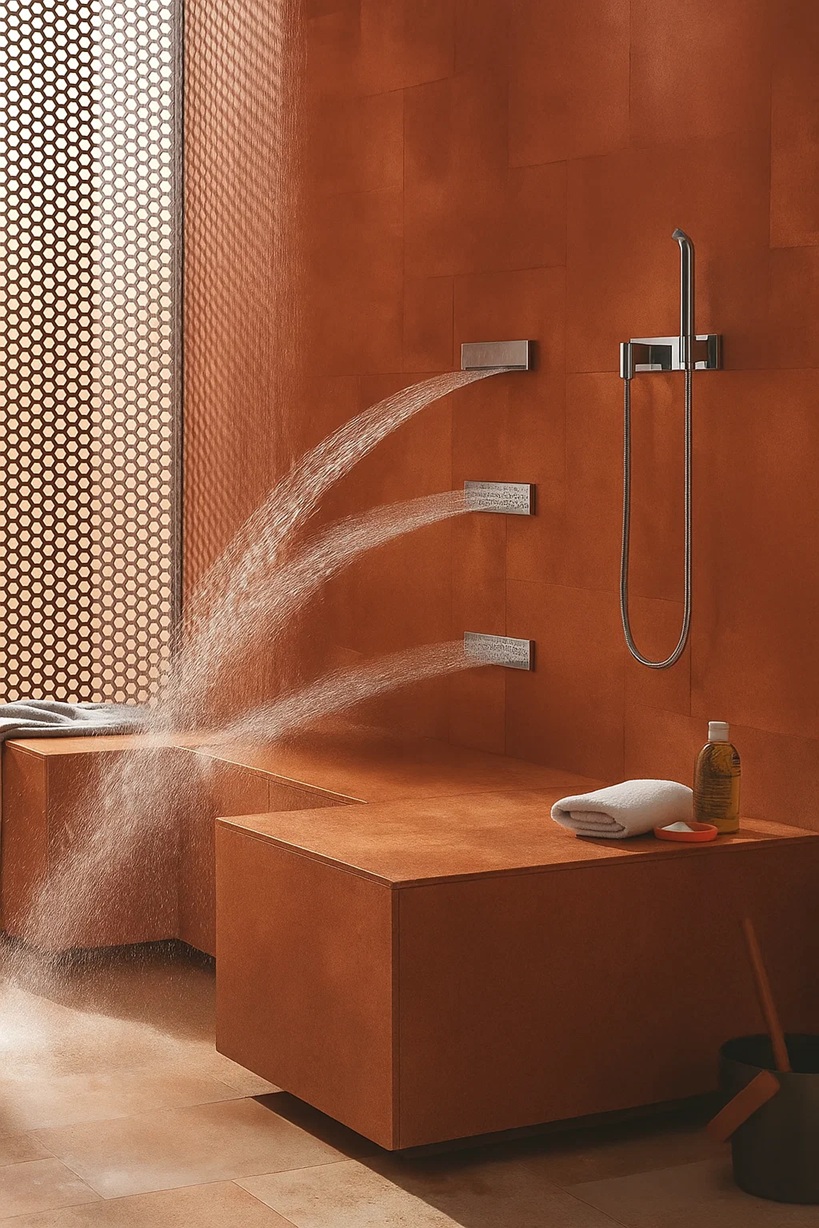
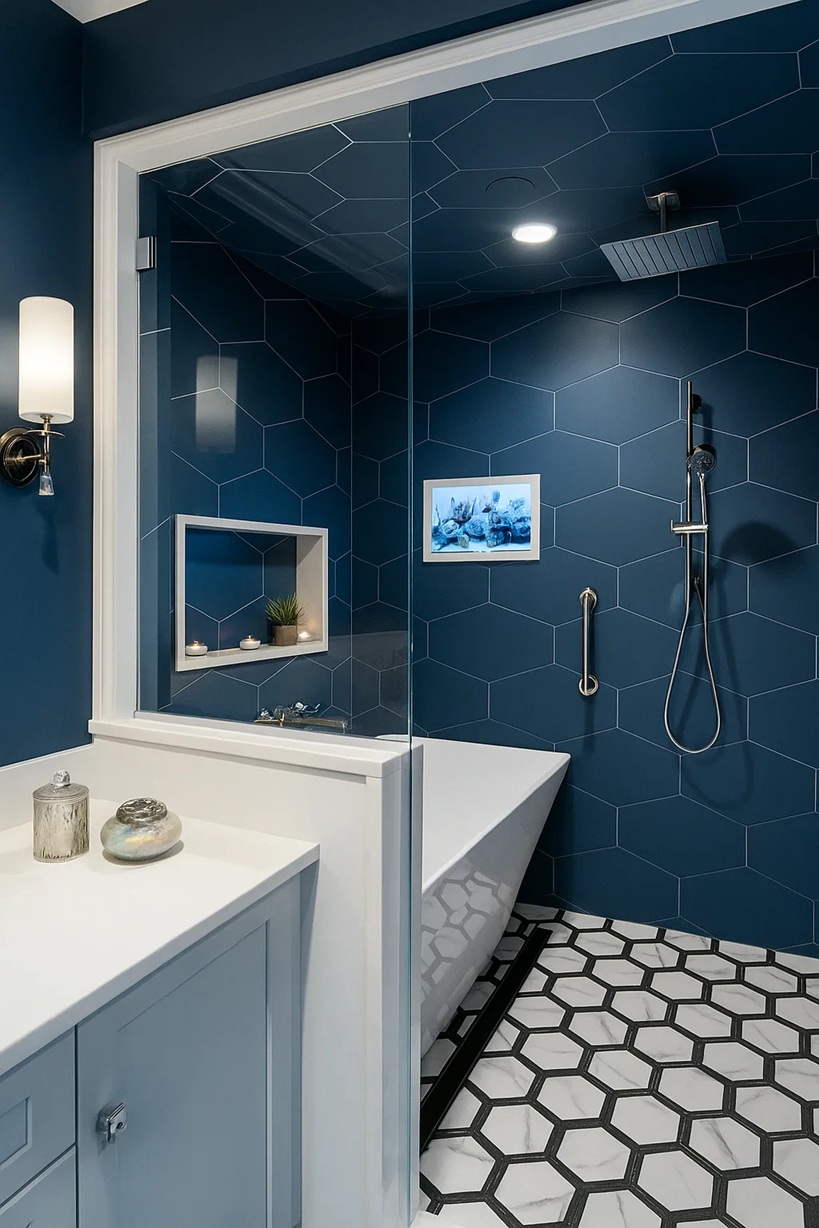
1. Wellness-Centric Design: The Rise of the Spa-Inspired Shower
In a post-pandemic world, wellness has become the new luxury. Guests increasingly seek spaces that promote relaxation and restoration.
Hotels and resorts are embracing spa-inspired showers that integrate features such as:
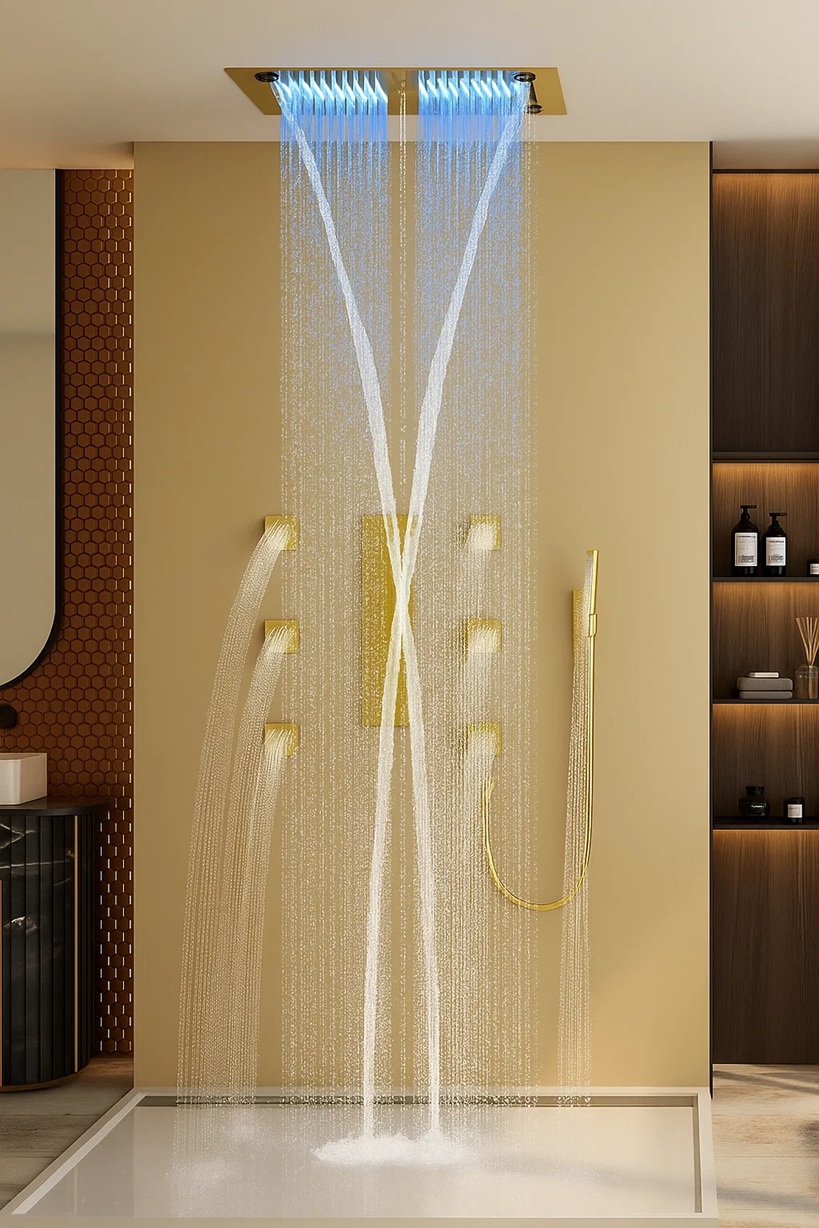
- Rainfall and misting systems simulating natural rainfall for sensory calm.
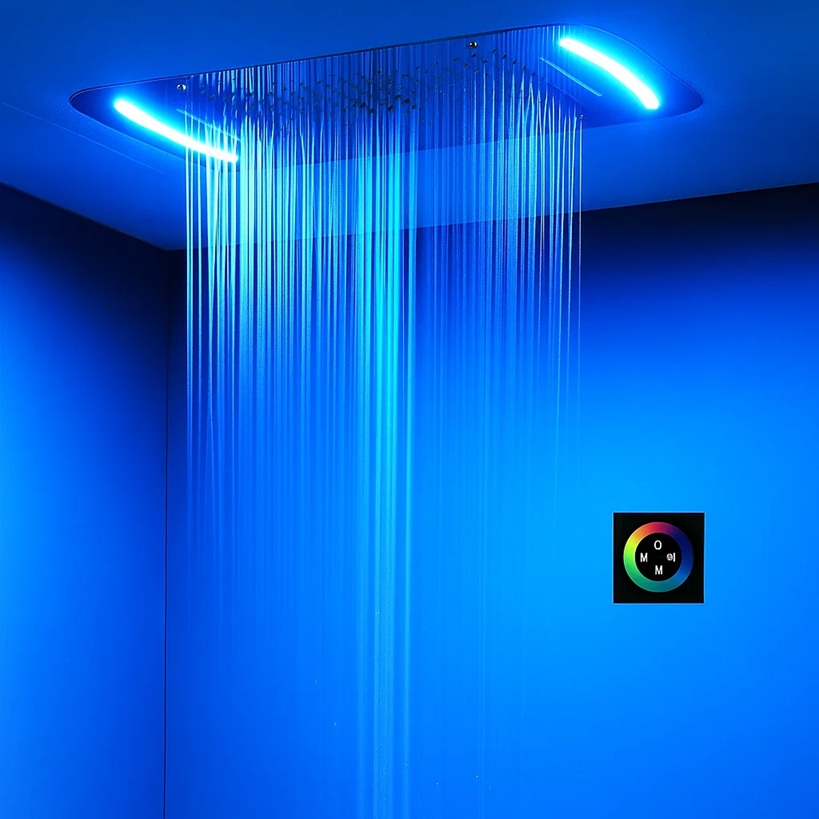
- Chromotherapy lighting with color therapy modes for mood balance.
- Aromatherapy infusions that activate with steam or water flow.
- Sound integration using Bluetooth-enabled speakers for personalized ambience.
“A shower isn’t just a utility anymore — it’s part of the guest’s emotional journey.”
— Hospitality Design Trend Report, 2024
Reference: Wellness Hospitality Journal, 2024; Global Spa & Wellness Summit Reports.
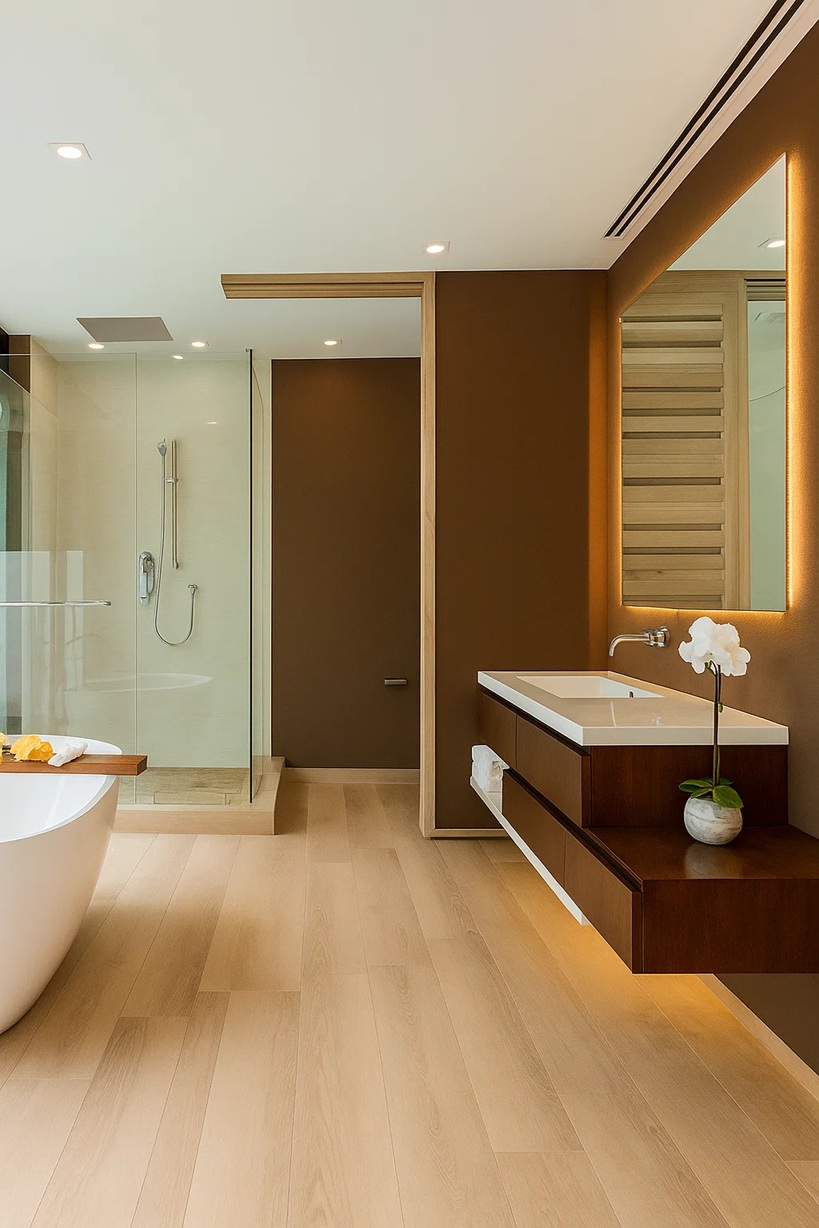
2. Minimalist & Open-Concept Spaces
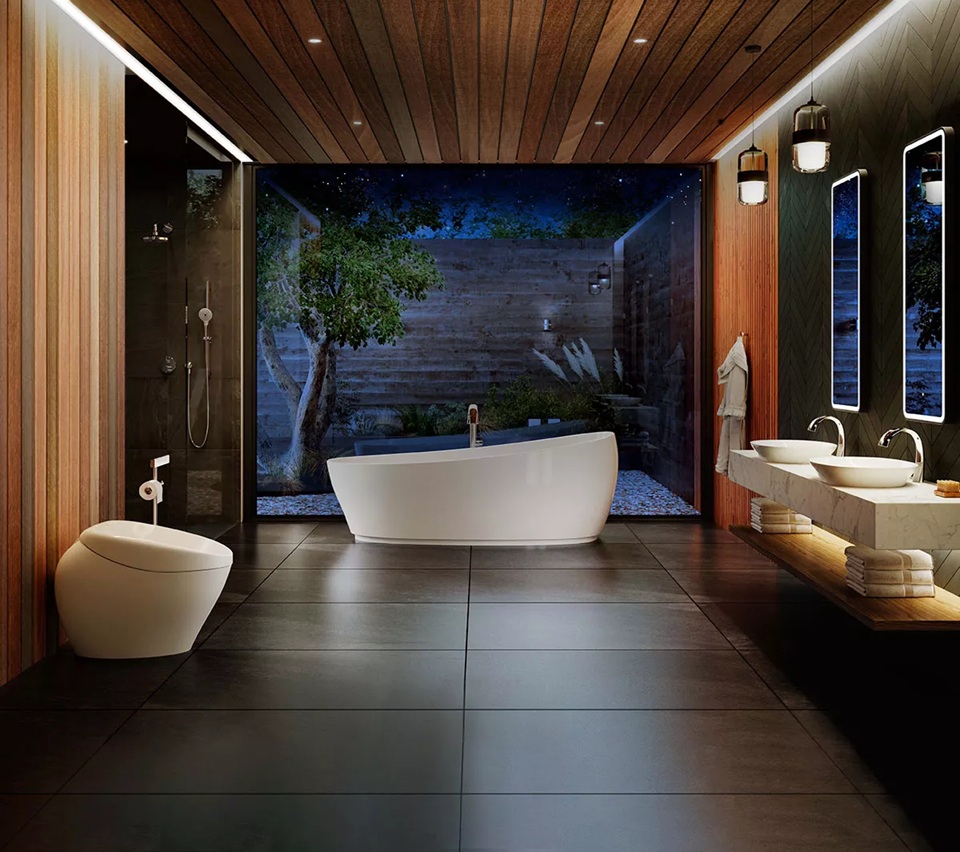
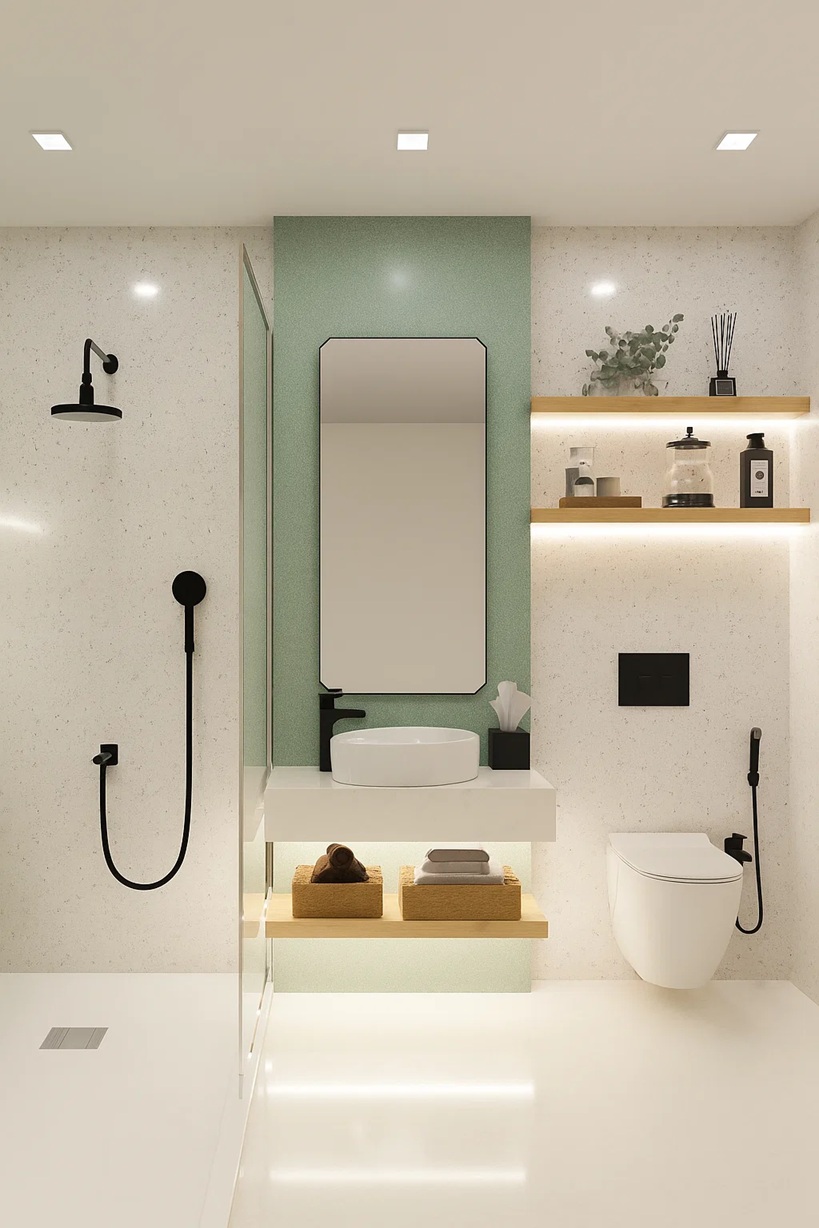
Modern hospitality bathrooms are moving toward open, barrier-free layouts that merge seamlessly with the guestroom aesthetic.
These minimalist concepts often include:
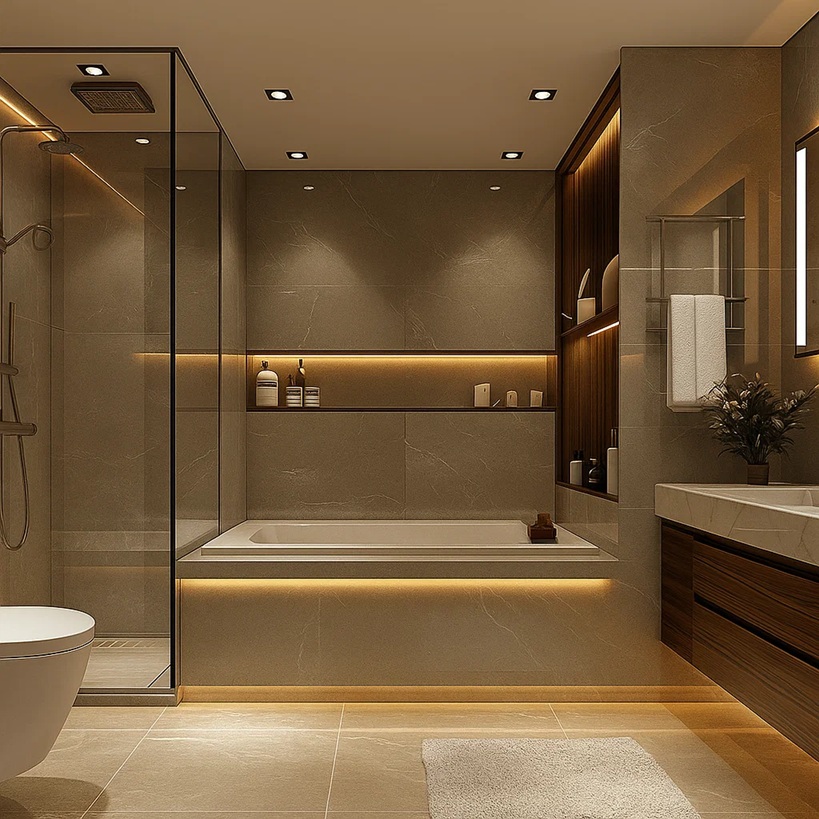
- Frameless glass enclosures and walk-in wet zones
- Concealed drains and floating vanities
- Neutral, natural materials (stone, oak, concrete finishes)
- Linear lighting that emphasizes space and calm
While open showers elevate aesthetics, designers are also challenged to maintain privacy, splash control, and thermal comfort — highlighting the need for precise spatial planning.
Inspiration: The Aman Kyoto and The Langham Chicago exemplify this balance between openness and intimacy.
Reference: Design Anthology Asia, Issue 33; Interior Design Review, Vol. 45.
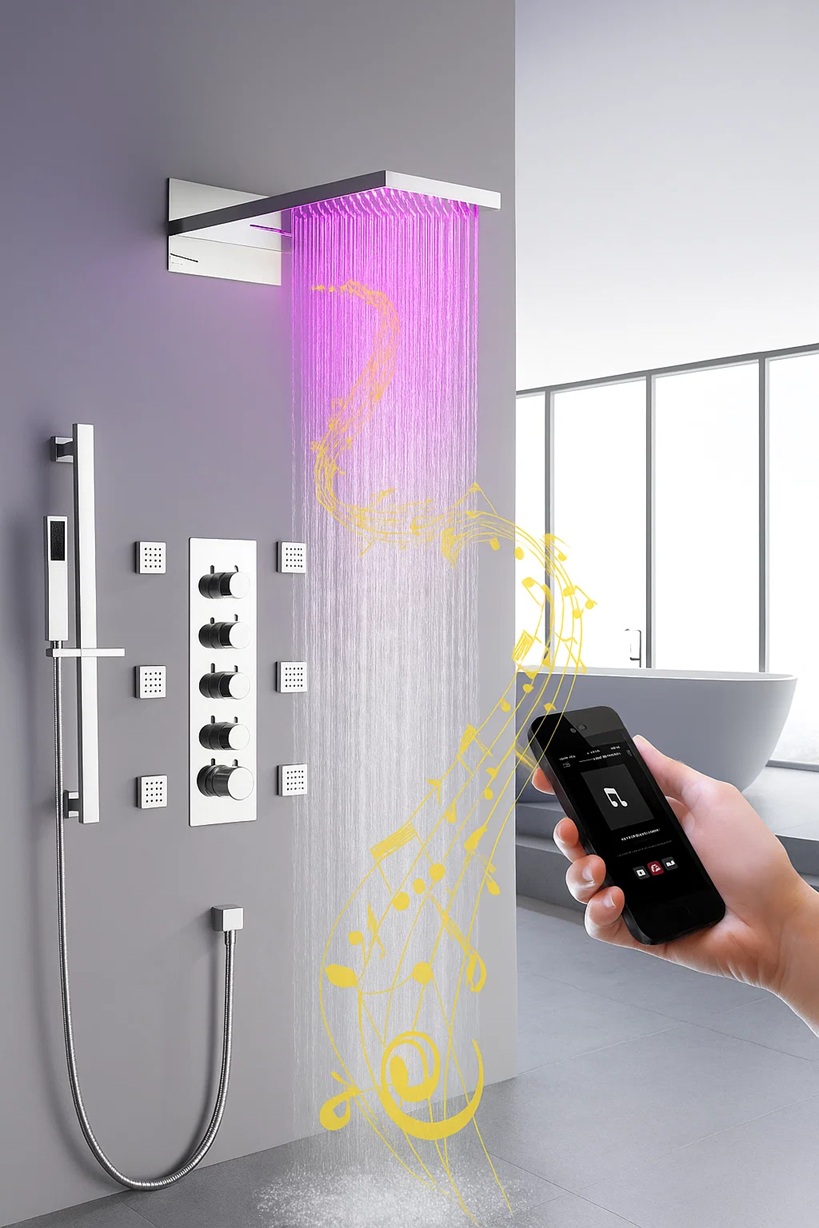
3. Smart Showering Technology: Personalized Comfort Meets Efficiency
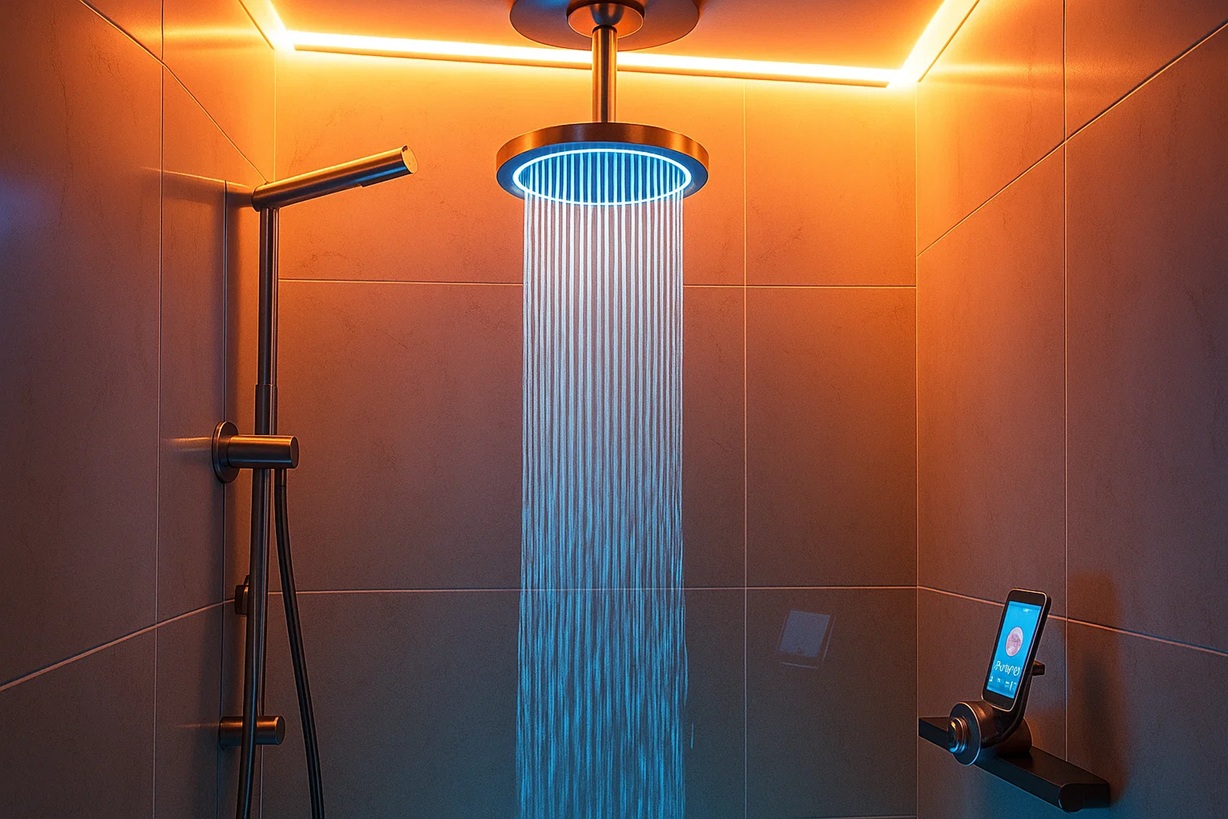
Technology is redefining how guests interact with water. Smart showers now offer programmable settings for temperature, pressure, lighting, and even scent.
Leading brands such as Kohler, Toto, and Moen are driving this revolution through:
- 💬 Digital thermostats & voice activation
- ⚙️ AI-assisted water flow calibration (reducing waste by 25–35%)
- 📱 App-based control systems enabling guests to preset preferences
- 📊 Data monitoring for maintenance and sustainability reporting
Hotels implementing smart showers report higher guest satisfaction and fewer maintenance issues due to real-time diagnostics.
Reference: Smart Hospitality Systems Report, 2025; Technology in Design Quarterly, Issue 21.
4. Sustainable Innovation: Doing More With Less Water
With sustainability now a cornerstone of global hospitality, water conservation is driving design decisions. Low-flow fixtures are no longer associated with weak performance — brands like High Sierra and Toto are proving that innovation can maintain luxury standards with reduced consumption.
Trends include:
- Air-infusion spray technology enhancing perceived water pressure
- Greywater recycling systems integrated into multi-room developments
- Eco-certifications (WaterSense, LEED) becoming procurement standards
- Smart metering for property-wide usage analytics
Stat: According to Green Lodging Trends Report 2024, efficient shower systems can save up to 160,000 gallons per 100 rooms annually, without impacting guest satisfaction.
Reference: Green Lodging Trends Report, 2024; EPA WaterSense Case Studies.
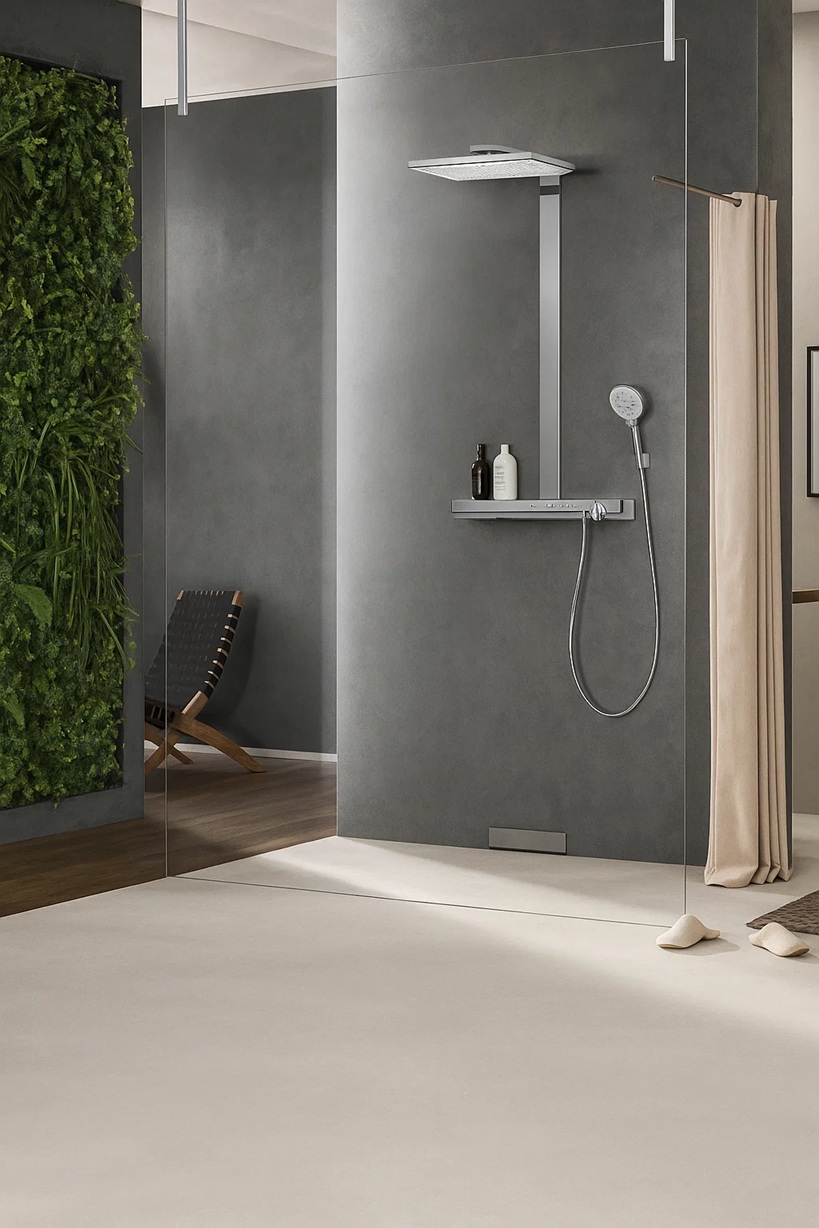
5. Textures, Materials, and Finishes That Tell a Story
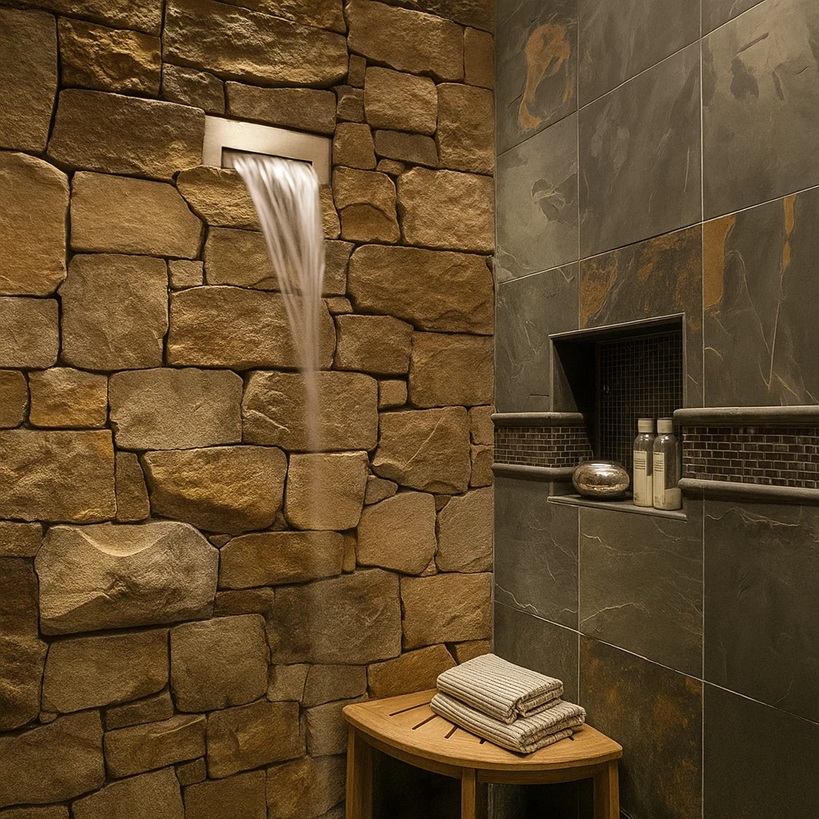
Today’s hospitality showers balance aesthetic emotion with durability. Material trends lean toward tactility and authenticity — textures that engage the senses while standing up to heavy use.
Key design directions include:
- Natural stones (travertine, basalt, limestone) for organic luxury
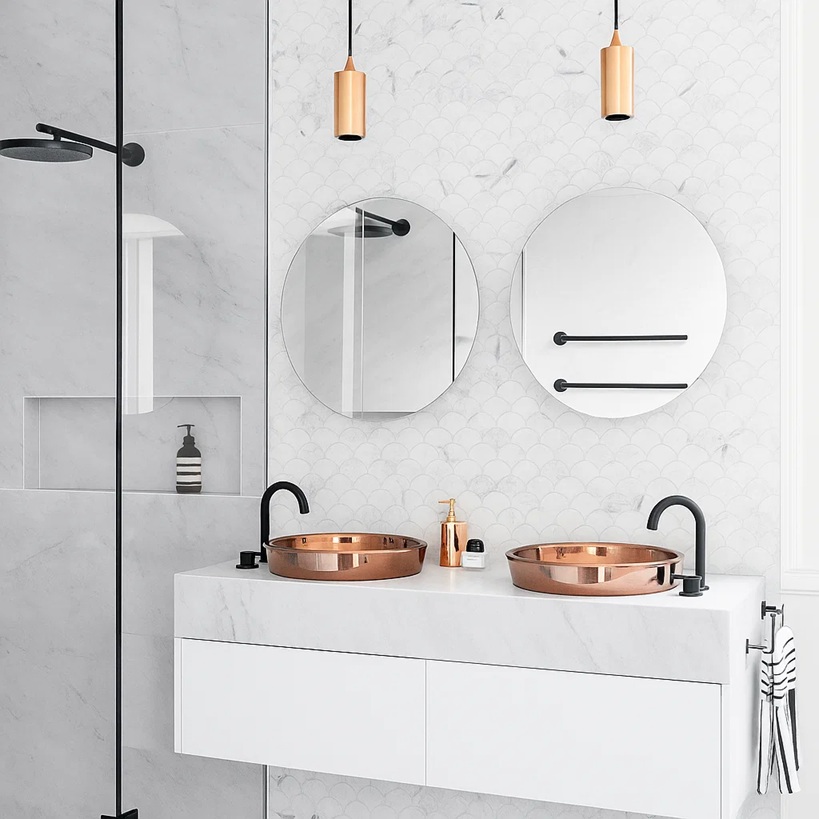
- Brushed metallic finishes (black, brass, bronze) replacing chrome dominance
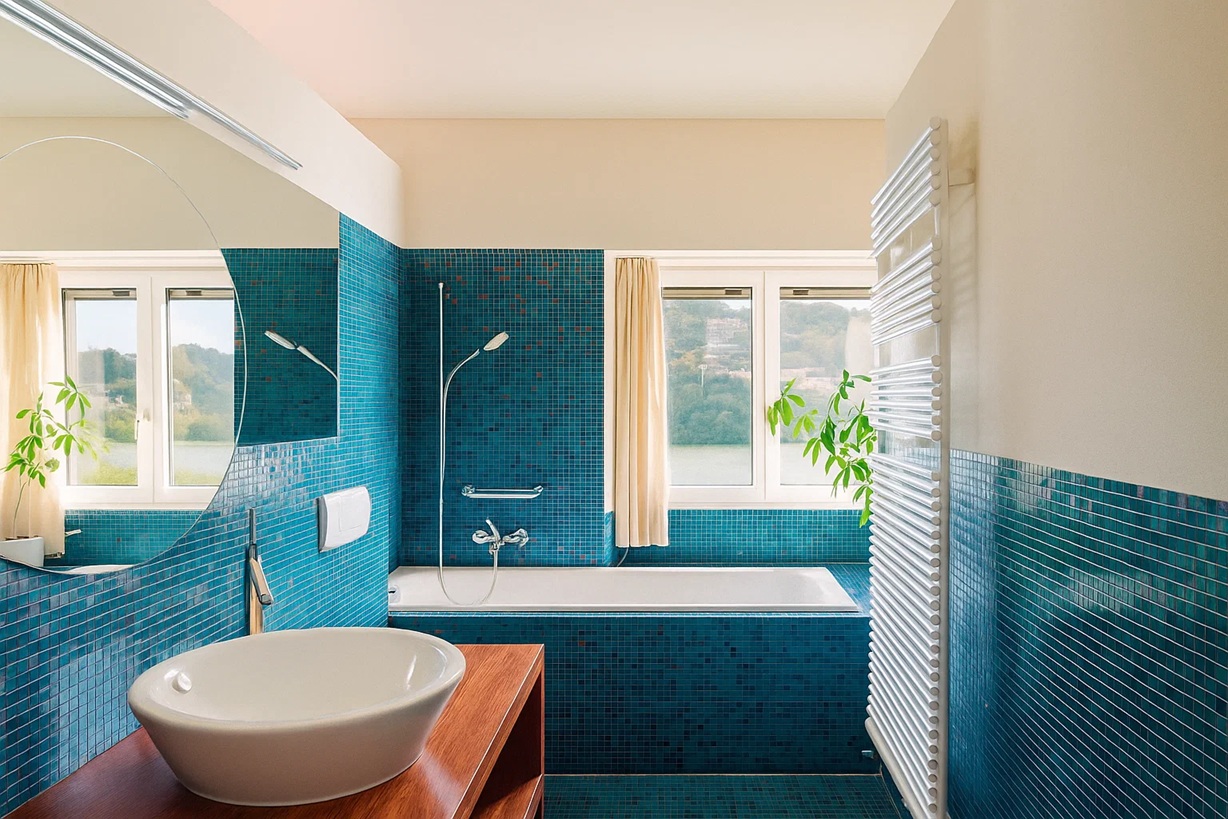
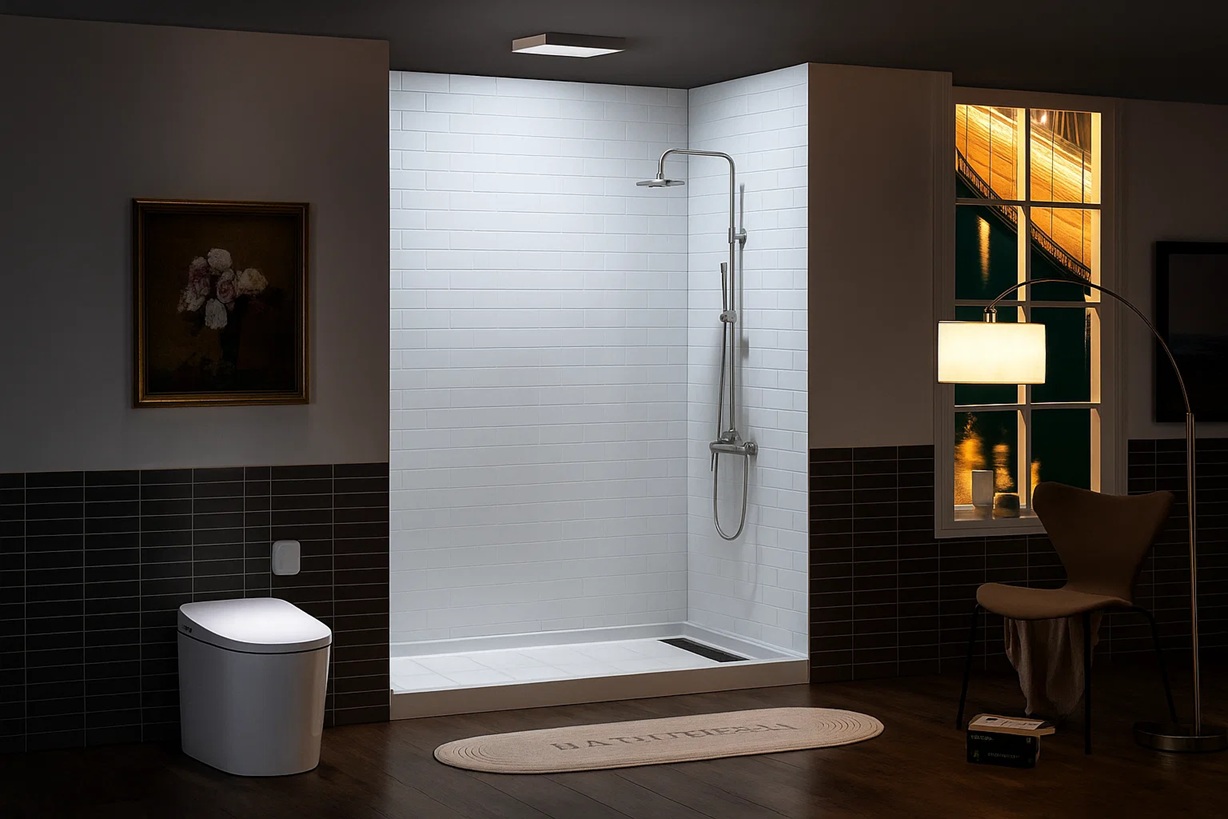
- Large-format tiles and microcement for seamless surfaces
- Non-slip matte textures that combine beauty with safety
“Guests increasingly associate authenticity with material honesty — raw textures, natural tones, and locally sourced finishes.”
— Elena Rodríguez, Architect, Studio Forma Madrid
Reference: Material Design Journal, Vol. 12 (2024); Hospitality Interiors Europe, 2025.
6. Inclusivity & Universal Design Principles
True innovation in hospitality is inclusive. Shower design now emphasizes accessibility without aesthetic compromise.
Universal design standards integrate elements that enhance usability for all guests, including those with mobility or sensory challenges.
Modern inclusive features:
- ♿ Zero-threshold entry showers with linear drainage
- 🪑 Foldable seating with slip-resistant finishes
- 🚿 Handheld showerheads with adjustable mounts
- 🔹 Contrasting textures and tactile cues for visually impaired guests
Reference: ADA Accessibility Design Standards, 2024 Update; Inclusive Hospitality Report, 2025.
7. Experiential Lighting and Ambience Control
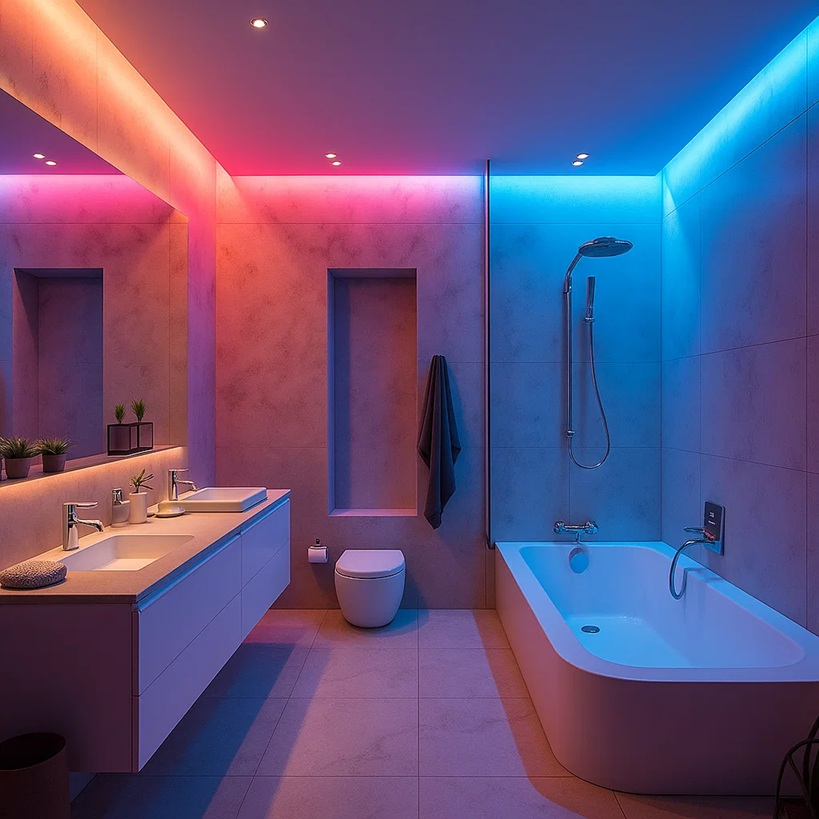
Lighting is emerging as one of the most powerful emotional tools in bathroom design. Hotels are integrating tunable white and RGB systems that shift brightness and tone according to time of day or mood. When paired with reflective materials, these create a cocoon-like environment of serenity.
Premium properties even employ circadian lighting in showers — helping guests adjust their internal rhythms after long-haul travel.
Reference: Lighting Design for Wellness, IALD Review 2024; WellTech Hospitality Insights, 2025.

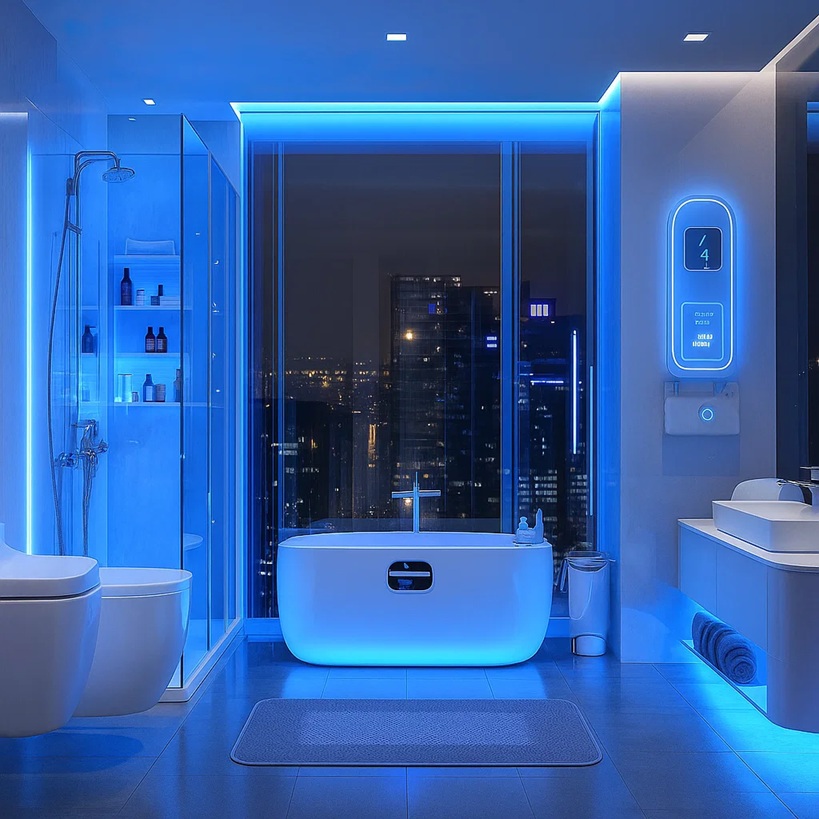

8. The Future: Adaptive, Data-Driven Design
Looking ahead, hospitality showers will continue evolving through data-driven innovation and modular design systems.
As sustainability targets tighten and guest personalization expectations rise, we anticipate:
- 🤖 Self-cleaning antimicrobial surfaces
- ♻️ Recycled composite materials replacing traditional ceramics
- 🌐 IoT-based predictive maintenance for plumbing systems
- 🧩 Virtual modeling tools (AI simulations) to reduce rework and waste
The shower of the future won’t just react — it will learn, adapt, and enhance every stay.
Conclusion: Innovation With Intention
At its core, every innovation in hospitality shower design reflects one philosophy: intentional comfort. Design is no longer just about form; it’s about how each detail — from a raindrop’s pressure to a tile’s texture — contributes to an experience that feels personal, luxurious, and sustainable.
As the hospitality industry continues to evolve, Hospitality Showers remains your guide to the ideas, technologies, and creative minds shaping the next era of design excellence and guest satisfaction.