


Spa Shower Systems for Hospitality What AEC Teams Must Get Right
Spa showers are no longer a “nice-to-have.” In hotels, resorts, and high-end multi-residential projects, they define the wellness experience. For AEC teams, success depends on getting hydraulics, controls, safety, and envelope detailing right from day one.
How Spa Showers Differ from Standard Hotel Showers
Higher flow, more outlets, longer use, and much tighter coordination requirements.
- Multiple outlets: rainfall, handshowers, body jets, waterfalls.
- Advanced controls: thermostatic or digital interfaces.
- Higher hot-water demand and longer dwell times.
- Greater moisture, acoustic, and envelope loads.
Contents
Key coordination checkpoints for AEC teams.
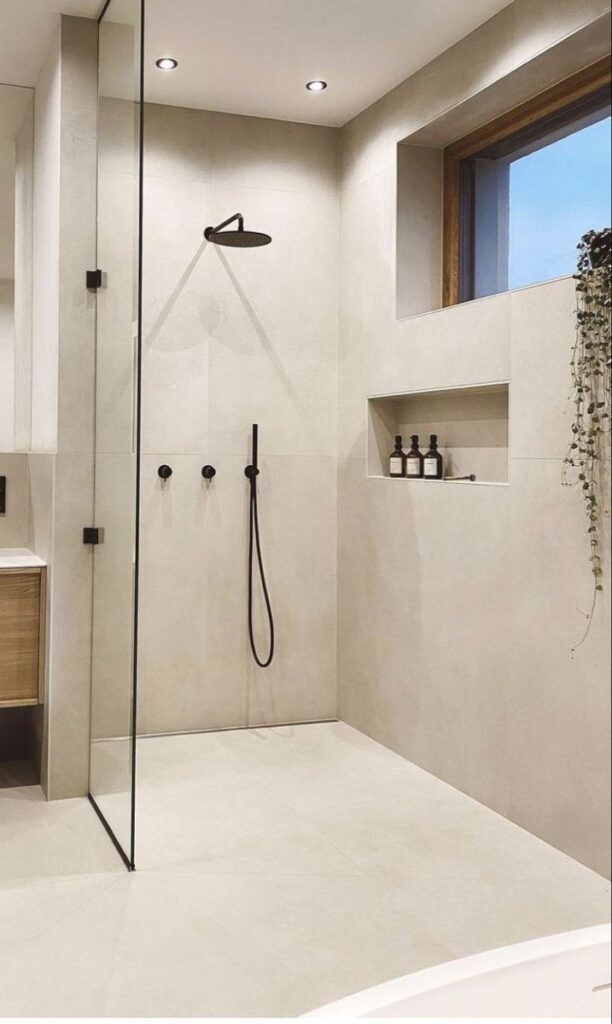
1) Hydraulics & Mechanical Design
Verify pressure, flow, and hot-water capacity before selecting systems.
- Confirm available static and residual pressure at each floor.
- Size hot-water systems for longer spa dwell times.
- Coordinate recirculation and balancing for remote suites.
- Allow commissioning flexibility for post-opening tuning.
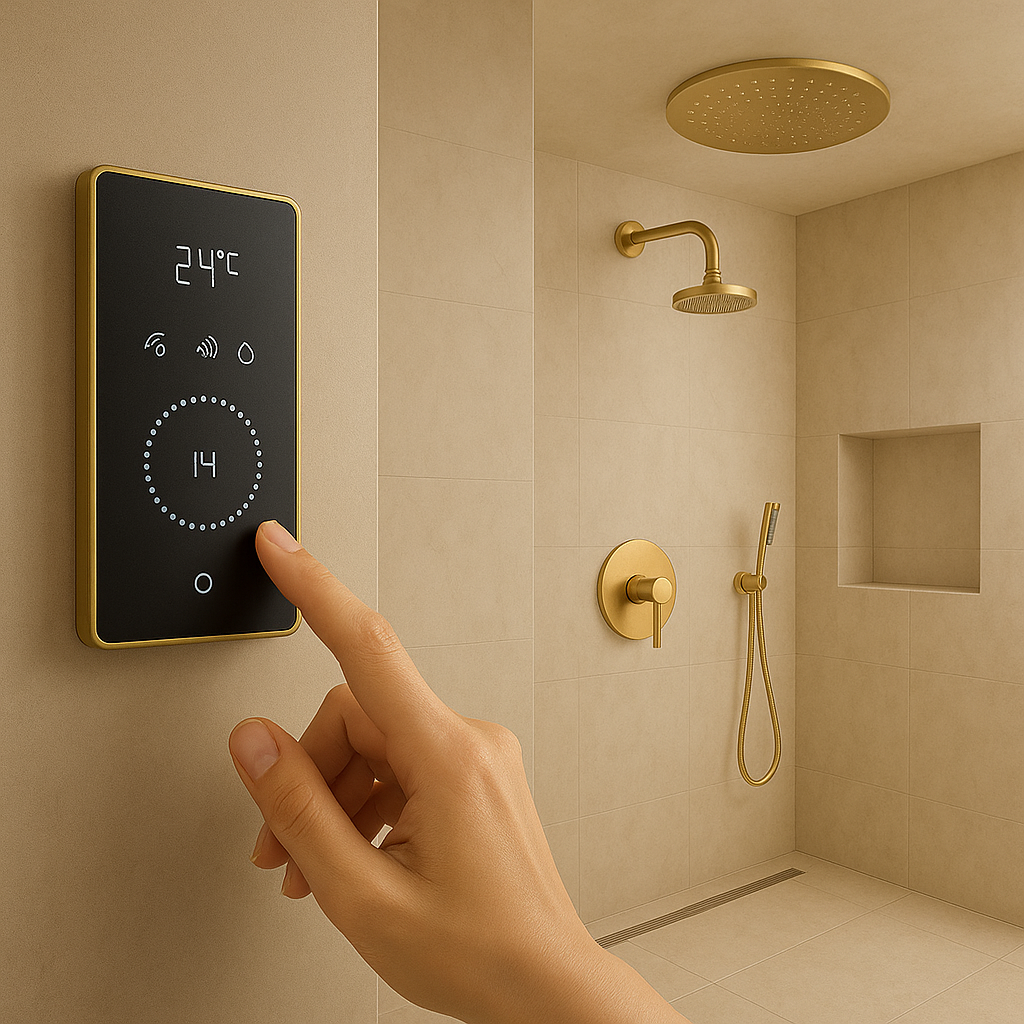
2) Controls & Guest UX Strategy
Interfaces should feel obvious, not experimental.
- Clear outlet labeling and intuitive icons.
- Thermostatic robustness vs. digital flexibility.
- Logical sequences: temperature first, outlets second.
- Reachable controls from the dry zone.
3) Safety, Code & Accessibility
Complex systems demand simple, reliable safety strategies.
- Thermostatic or digital anti-scald protection.
- Slip-resistant floors and dry-zone activation.
- Grab bars, seating, and compliant reach ranges.
- Mock-up testing of temperature limits and shutoff logic.
4) Envelope, Moisture & Acoustics
Longer showers mean more humidity and higher failure risk.
- Continuous waterproofing at floors, walls, benches.
- Exhaust sized for extended spa use.
- Acoustic separation from adjacent guestrooms.
- Steam-ready detailing if future upgrades are likely.
5) Selecting Heads, Jets & Components
Balance drama with serviceability and water use.
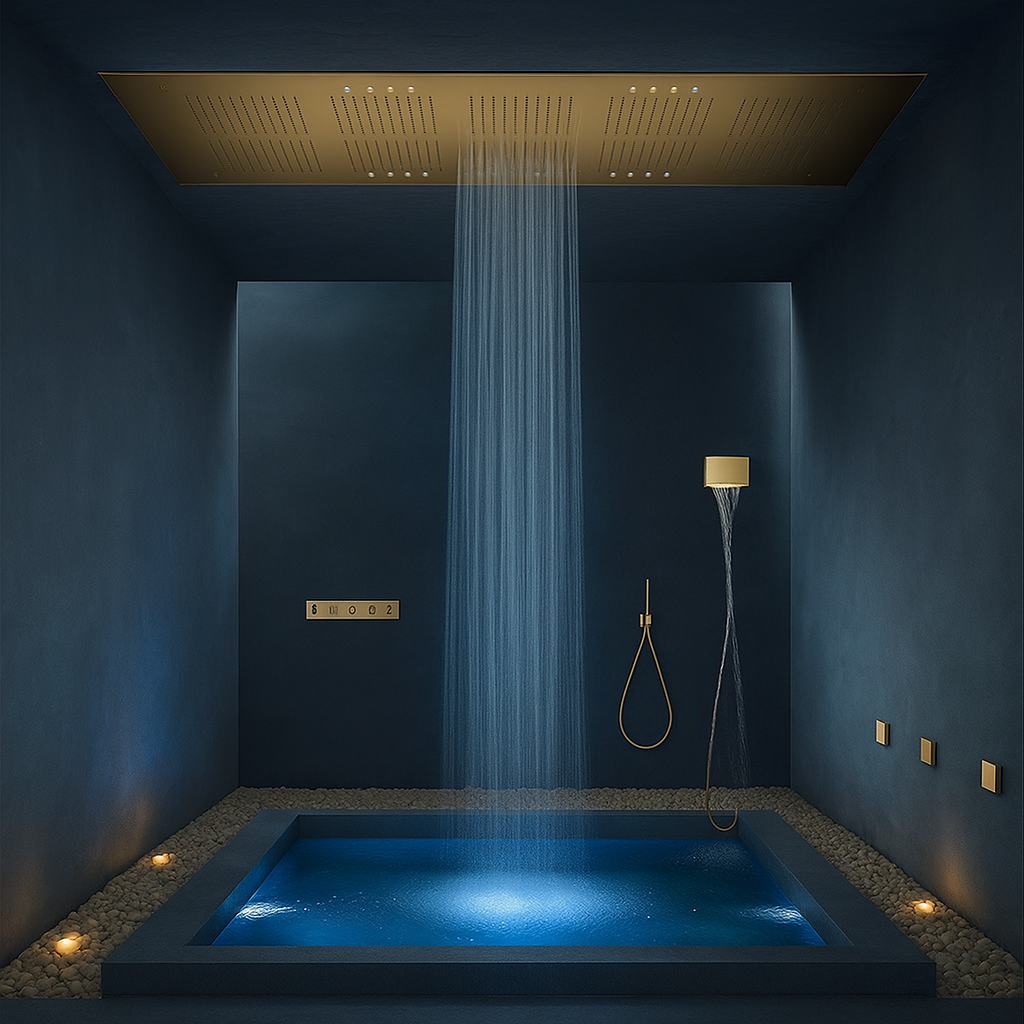
- Rainfall vs. waterfall performance differences.
- Selective body jets over dense grids.
- Handshowers for accessibility and cleaning.
- Pre-engineered packages reduce coordination risk.
6) Spa Shower Templates
Repeatable layouts outperform one-off designs.
- Standard spa: rainfall + handshower + thermostatic control.
- Signature / couples: multiple outlets, presets, layered lighting.
- Locker & BOH: durability, tamper-resistant trims, heavy drainage.