


Best Rated Showers & Smart Shower Systems
“Best rated” in hospitality should mean more than star reviews. For AEC teams, the winners are the systems that deliver stable temperature, satisfying spray, intuitive controls, long-life parts, and a clear plan for commissioning and maintenance—especially when digital controls are involved.
How “Best Rated” Should Be Defined for AEC Teams
Online reviews only cover the surface. In hospitality and multi-res work, the strongest “best rated” showers perform across four dimensions: hydraulic performance, guest experience, durability/maintainability, and compliance/integration.
- Hydraulic performance: predictable pressure and flow at all outlets.
- Guest experience: intuitive controls, satisfying spray patterns, and quiet operation.
- Durability & maintainability: finishes, valves, and electronics that survive high occupancy.
- Compliance & integration: aligns with accessibility, MEP, and (for smart) IT/controls strategy.
Contents
Jump to the sections most useful for specs and standards.
1) Rate showers on the right dimensions
Build a simple scoring matrix so “best rated” is repeatable across room types and properties. The goal is an objective shortlist, not a style debate.
- Comfort: spray quality, coverage, temperature stability, and noise.
- Controls: clarity, steps to turn on, and dry-zone reach.
- Sustainability: efficient flow options without weak user experience.
- Service: warranty clarity, replacement parts, and real commercial track record.
- Integration: fit with brand standards and, for smart systems, controls/IT approach.
| Dimension | What to measure | Target for “best rated” |
|---|---|---|
| Comfort | Spray pattern, temperature stability, noise level, coverage. | 4–5 / 5 Guests describe it as powerful and easy to tune. |
| UX & controls | Steps to start, icon clarity, quick shutoff. | 4–5 / 5 Guests understand controls in seconds. |
| Hydraulic fit | Flow/pressure needs vs. what the building can deliver. | Pass Works across floors without “band-aid” fixes. |
| Durability | Finish wear, valve life, leak frequency, service calls. | Low Few interventions beyond preventive maintenance. |
| Sustainability | Flow rates, thermal efficiency, user guidance. | Aligned Meets targets without guest complaints. |
2) Types of best-rated showers and systems
Most projects choose one or two system families and standardize—consistency reduces service risk.
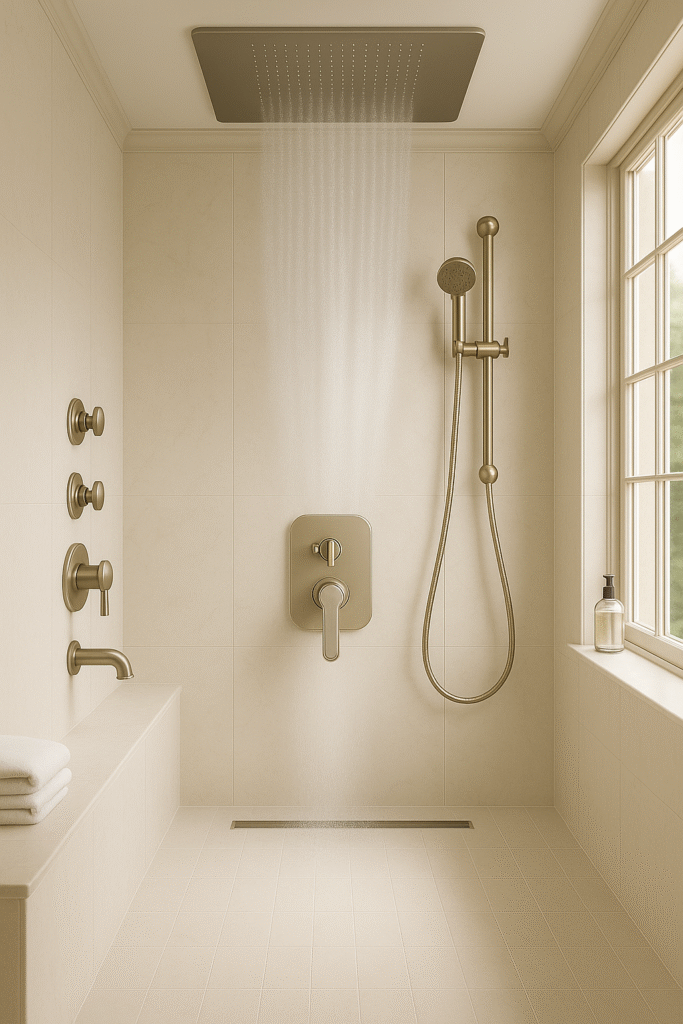
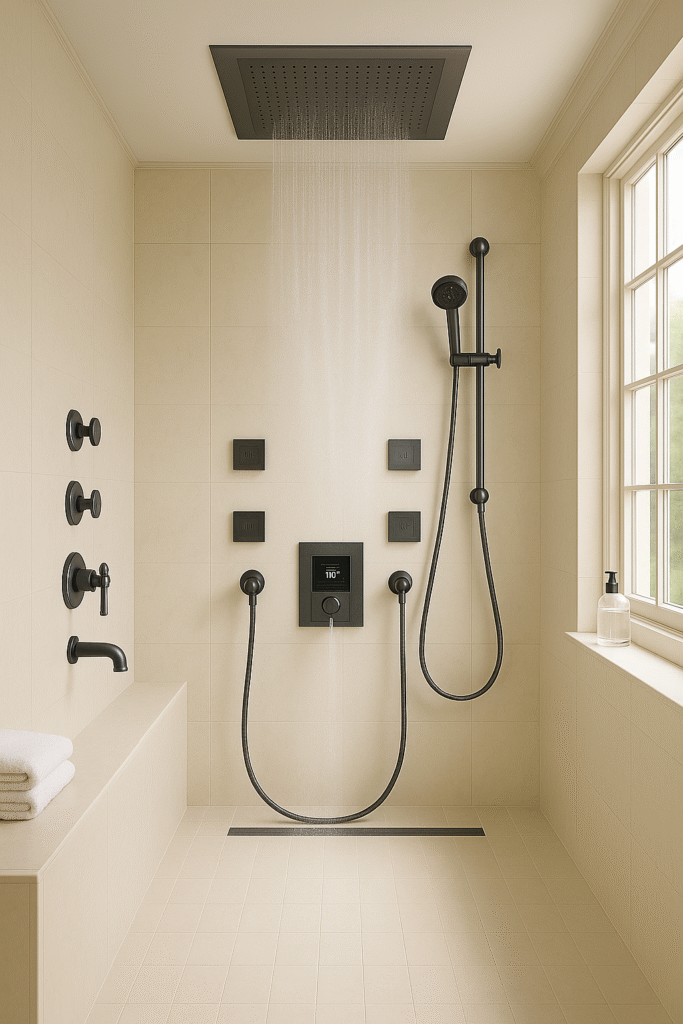
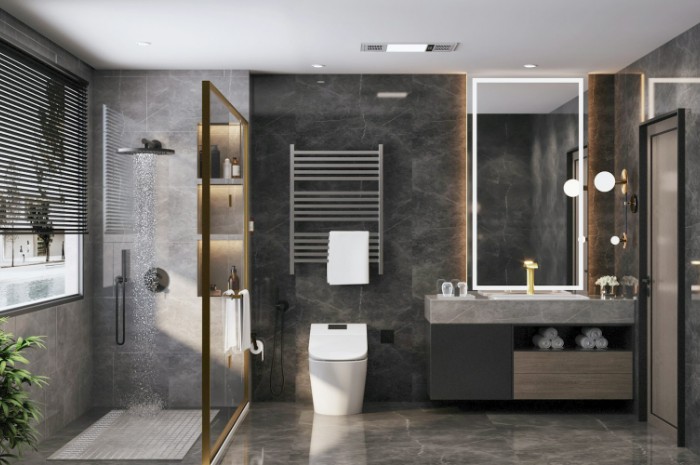
- Rain + handshower sets: simplest, strong for standard guestrooms.
- Column/panel systems: compact, feature-rich, good for many renovations.
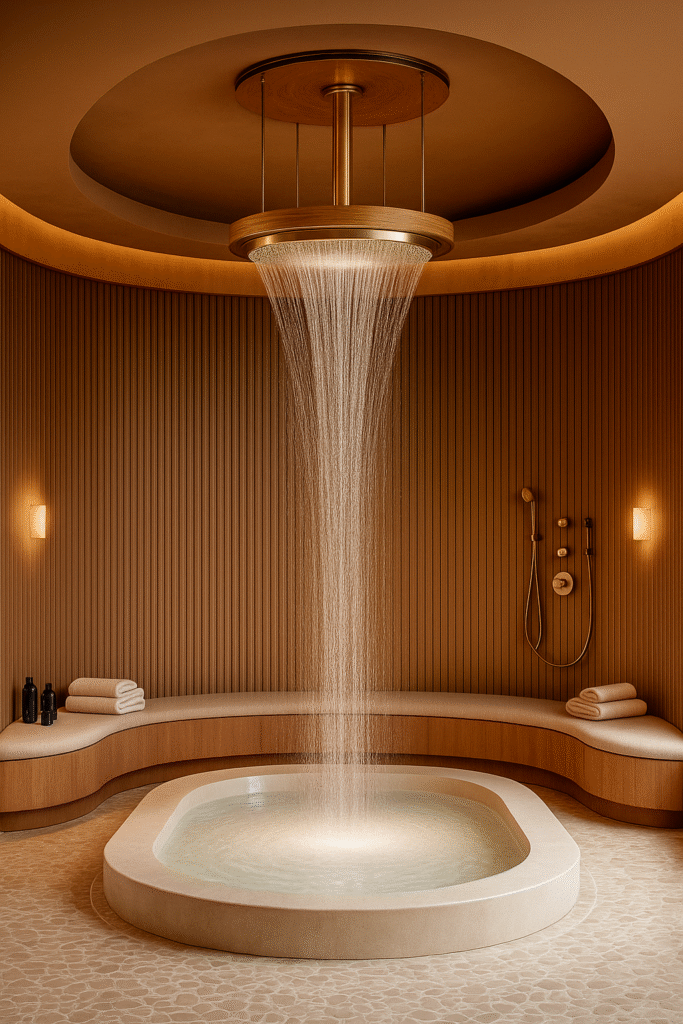
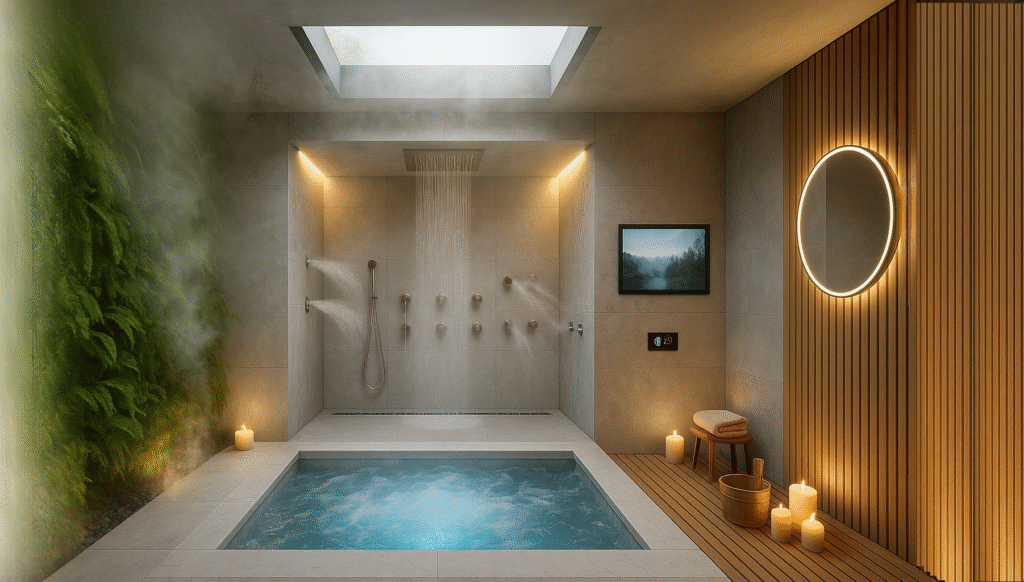
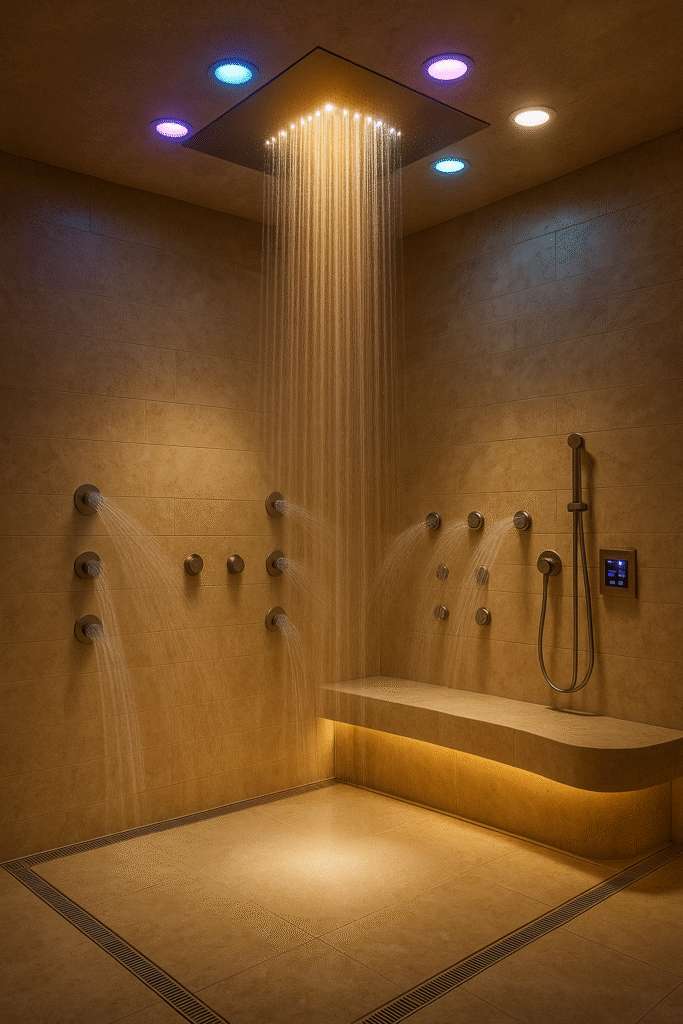
- Pre-engineered spa systems: multi-outlet “wow” for suites and wellness rooms.
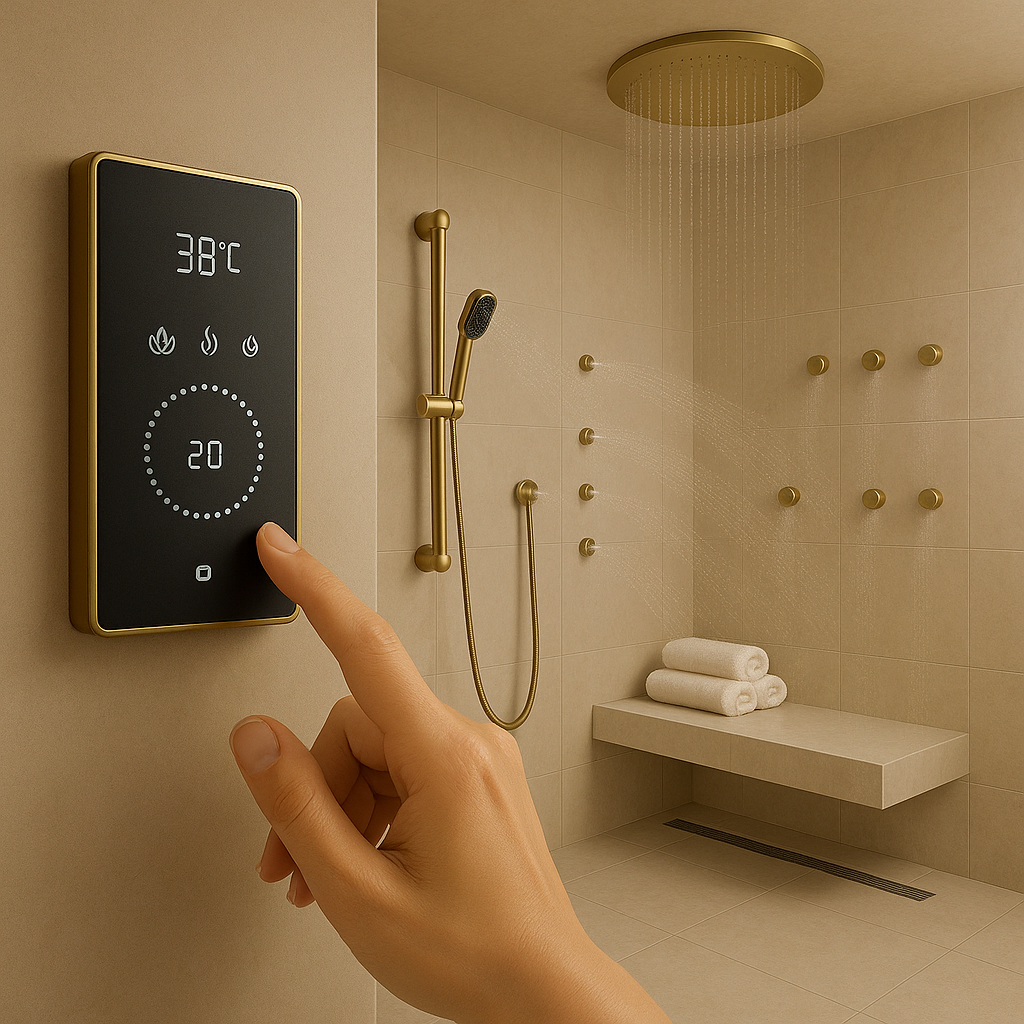
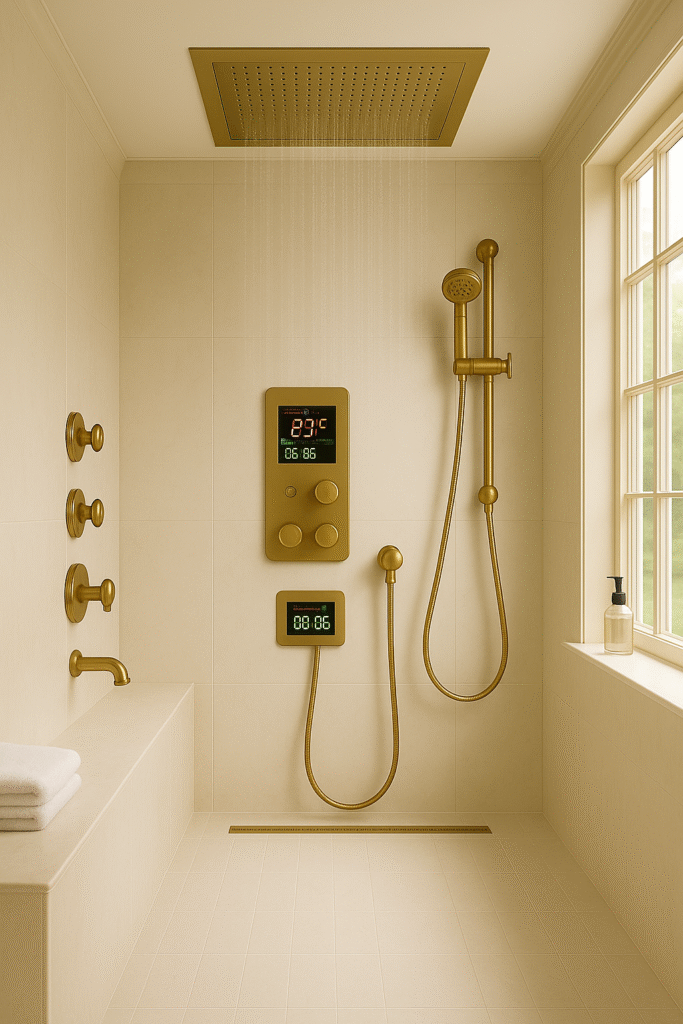
- Smart/digital systems: presets and data—requires power, commissioning, and IT coordination.
3) Smart shower systems: what to check beyond features
Smart showers succeed when power, network scope, and fallback behavior are defined early.
- Power & redundancy: low-voltage? safe default mode on outage?
- Network & security: who manages credentials, updates, and data?
- Presets & UX: clear scenes (Rain / Relax / Quick) that match brand standards.
- Commissioning & analytics: error codes, usage, and diagnostics for engineering teams.
4) Hydraulic and envelope performance
Even premium systems disappoint if building pressure, hot water delivery, waterproofing, and drainage are wrong.
- Matched assumptions: head/valve selections reflect real pressure and flow at the room.
- Balanced hot water delivery: consistent experience at end-of-corridor and upper floors.
- Envelope integrity: waterproofing transitions built for high-splash and longer showers.
- Drainage + slope: avoid pooling near benches, thresholds, and corners.
5) Durability, maintenance, and cleaning
Guests rate in days; owners live with systems for years. Design for housekeeping and engineering.
- Simple geometry: fewer crevices and exposed components that trap scale.
- Service access: valves and drivers reachable without opening finished tile.
- Finish resilience: match finishes to real cleaning chemicals and cycles.
- Standardization: limit cartridge/trim variety across the property.
6) Room-type templates you can reuse
Use a small set of repeatable layouts instead of one-off designs.
Template A — Standard guestroom “best rated”
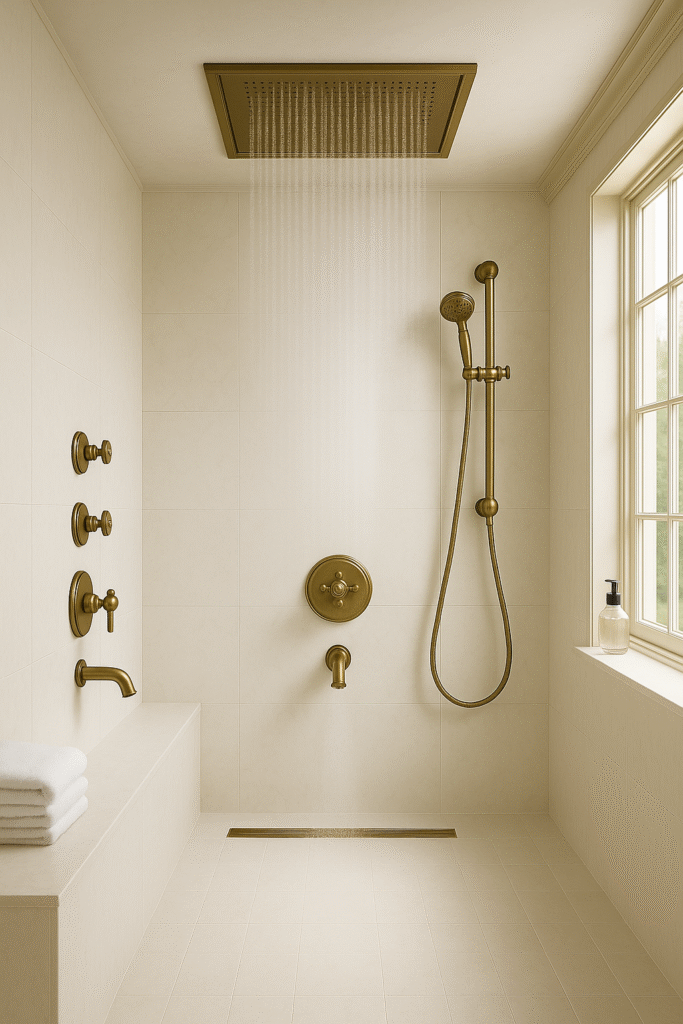
- Thermostatic mixing (or well-calibrated pressure-balance)
- One high-quality rain or multi-function head
- Handshower on slide bar for flexibility + accessibility
- Clear control layout and easy-clean finishes
Template B — Premium spa (non-smart)
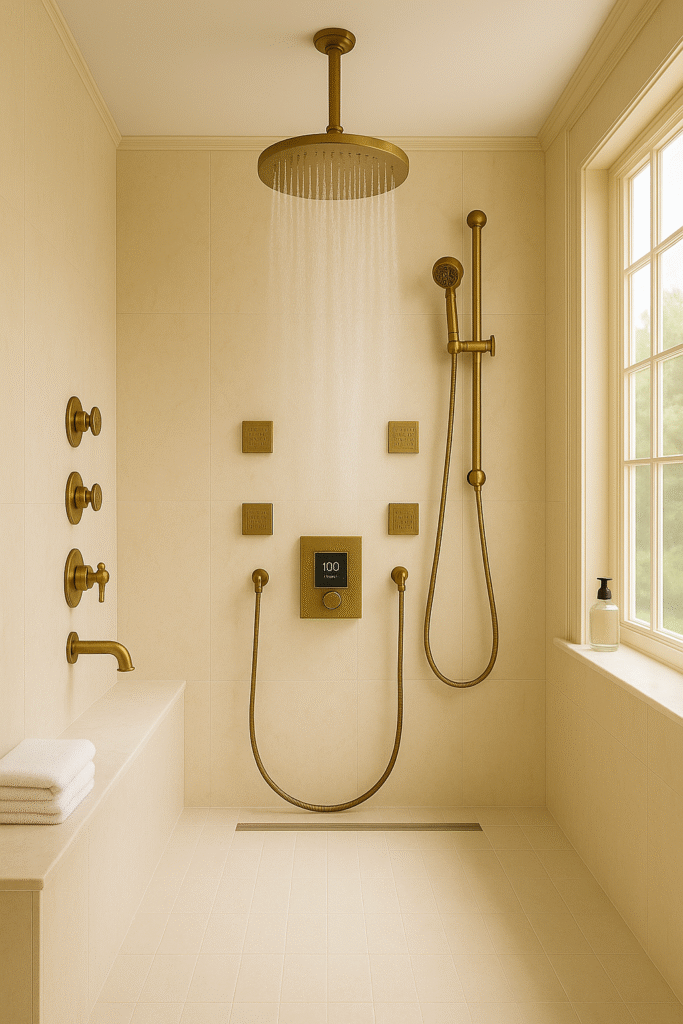
- Rain head + handshower + selective body sprays
- Thermostatic + labeled outlet logic
- Bench + niche + lighting plan coordinated
- Mock-up verification before rollout
Template C — Smart suite
- Digital mixing valve + clear preset scenes
- Defined power and fallback behavior
- Commissioning + diagnostics plan for engineering
- Standardize vendor family across the property
Spec note: Document valve type, outlet count, assumed pressure range, control height, finish, and service access approach as the single source of truth for design + purchasing + construction.