

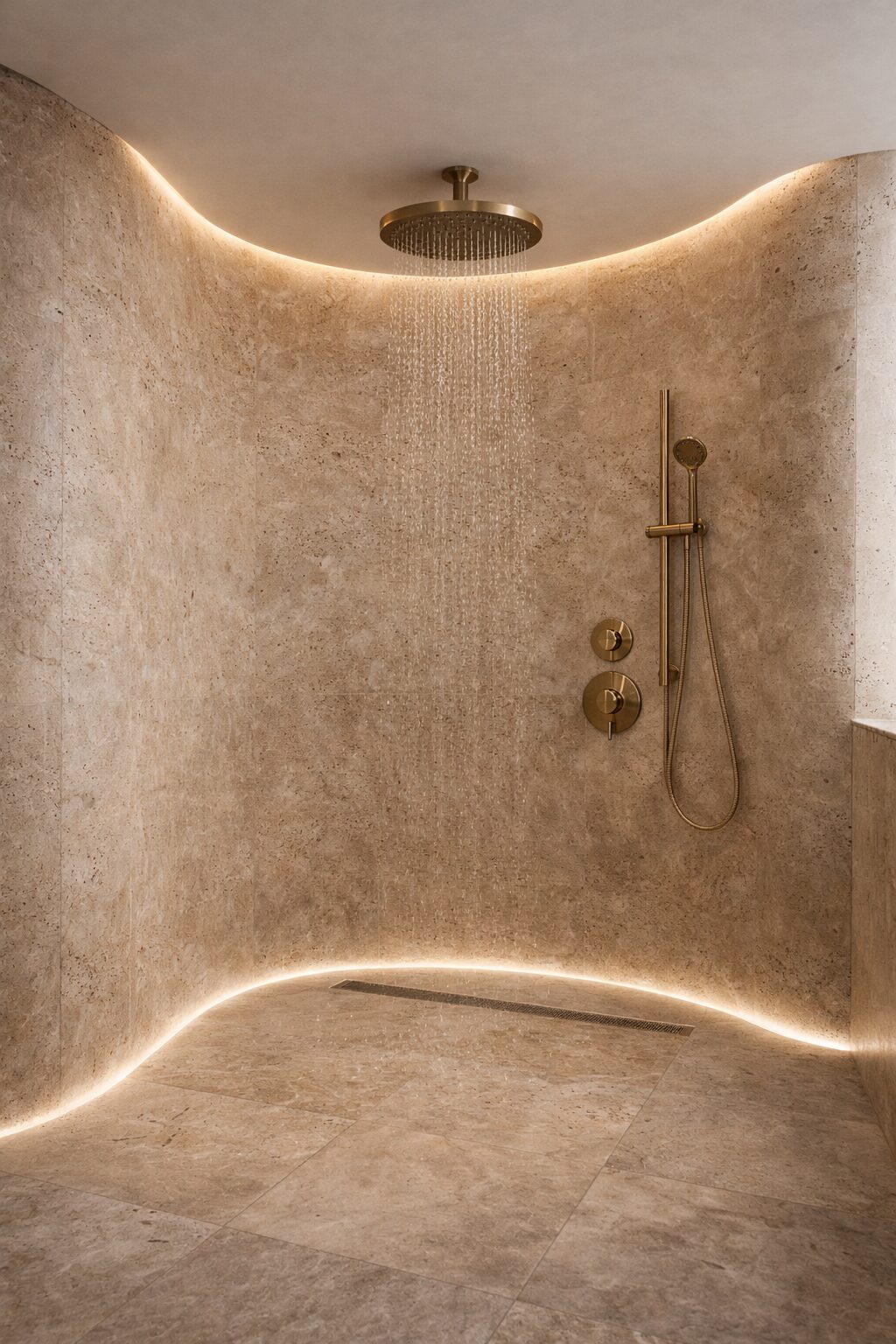
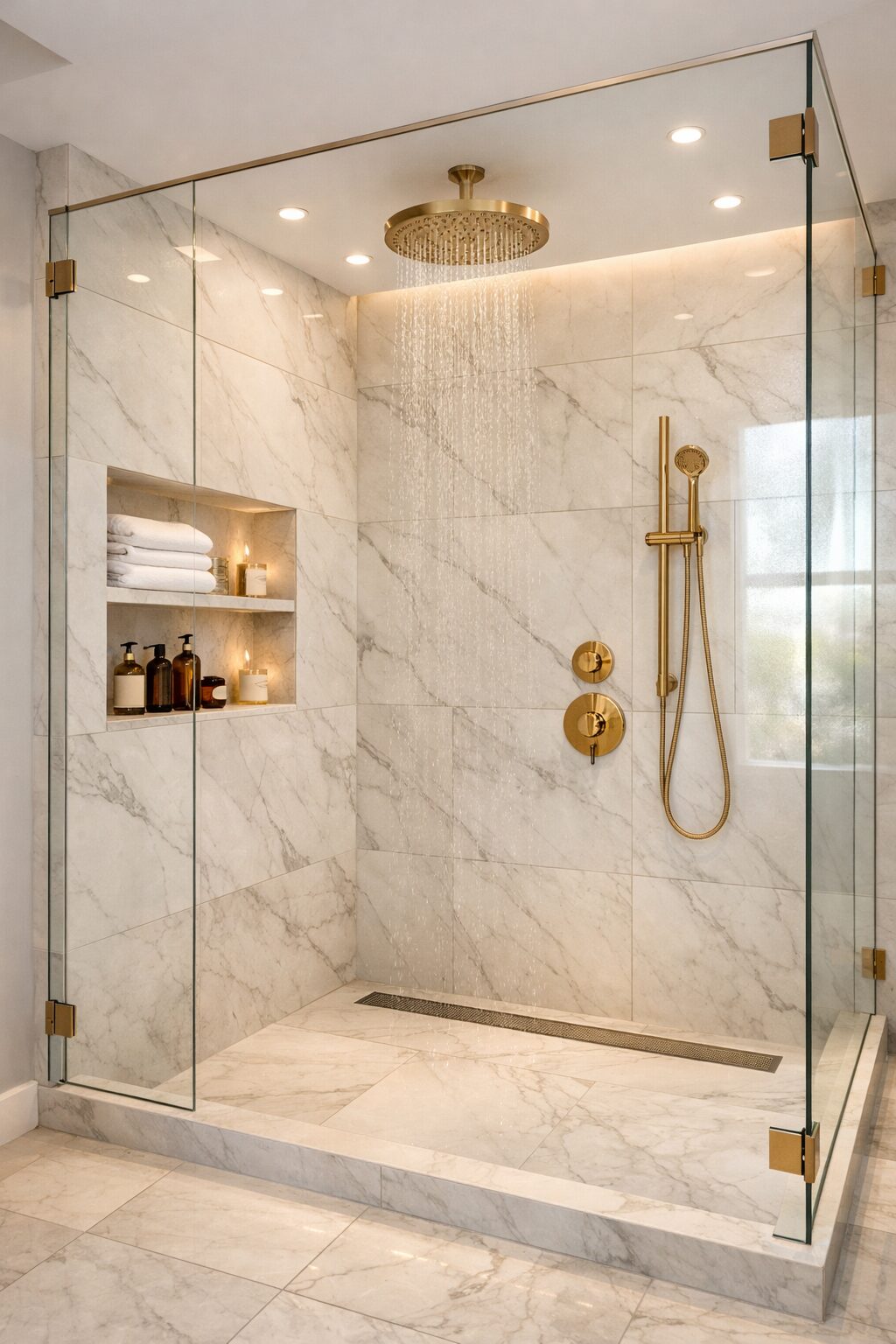
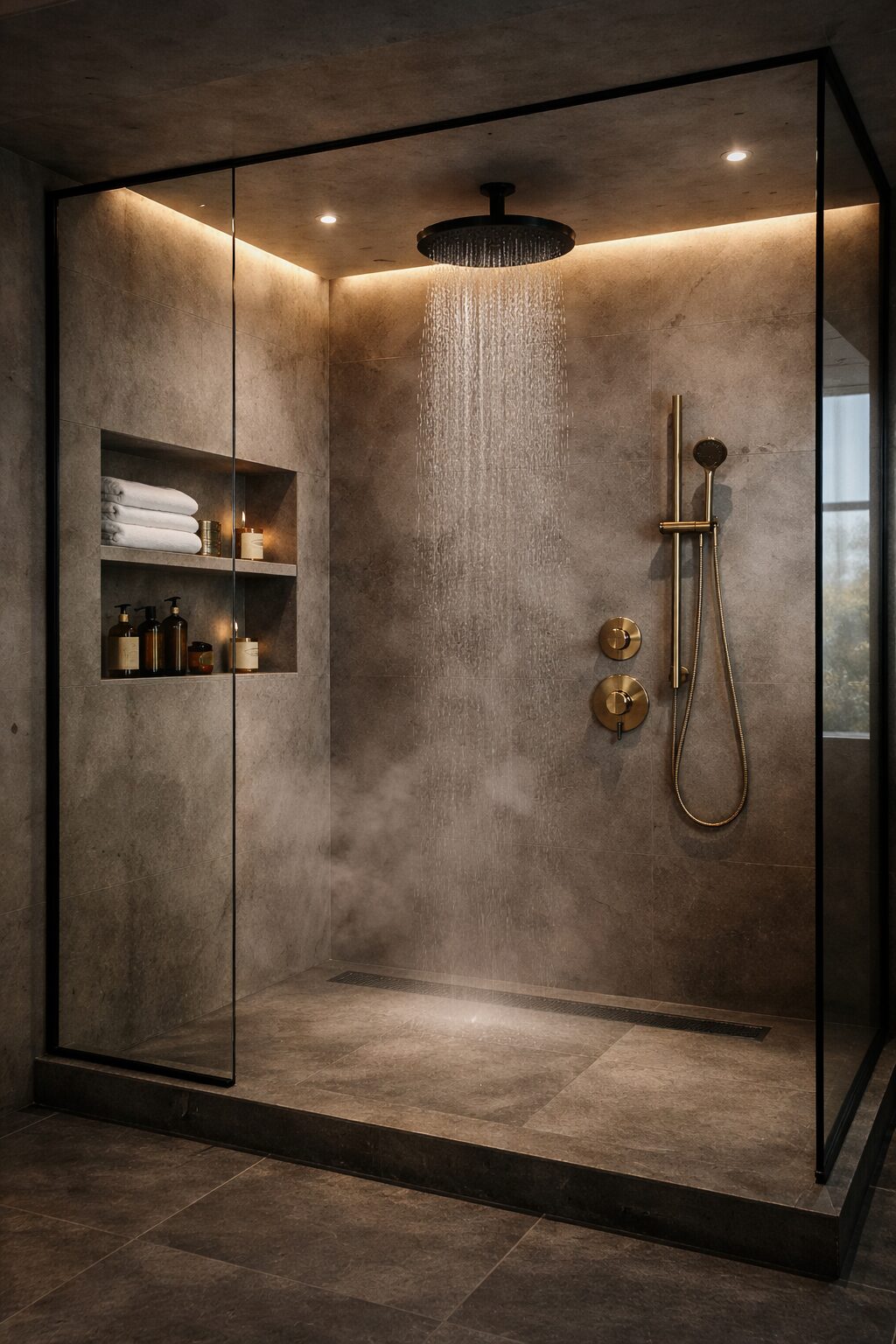
Who is Hospitality Showers?
HospitalityShowers.com is a hospitality shower specification research hub focused on durability, compliance, and field coordination issues that affect multi room projects. The goal is to document practical constraints design teams encounter during value engineering, rough in coordination, procurement, and ongoing maintenance.
For architects and engineers, the meaningful question is not what looks good. It is what installs predictably, performs consistently across hundreds of rooms, and stays serviceable after turnover and housekeeping cycles. The content emphasizes repeatable specification sets, finish consistency, and fixture coordination strategies that support documentation, procurement, and long term maintenance planning.
At a glance
- Priority outcomes
- Durability, stable delivery, service access
- Scope mindset
- Grouped selections for coordination
- Compliance anchors
- WaterSense, CALGreen, ADA, ASME
Why hospitality shower specifications are different
Hospitality and institutional bathing environments stress systems in ways that residential projects rarely do. They involve high frequency duty cycles, mixed user behaviors, water quality variation, and fast track schedules where late stage substitutions can create costly field rework.
Where issues show up in real renovations
In a typical hotel renovation, shower scope issues often appear as valve depth conflicts, finish availability problems, warranty ambiguity, or service access mistakes that only become visible after room turnover begins.
What success looks like
A specification that succeeds in hospitality typically prioritizes three measurable outcomes: durability under repeated use, stable water delivery across varying pressures, and field service access without specialized tools.
What this research hub covers from an AEC perspective
Hospitality shower selections are most useful when they map to how design and construction teams execute plumbing fixture scopes. Instead of treating components as isolated catalog items, hospitality projects benefit from grouped selections that reduce coordination complexity.
Showerheads Hand showers Hoses Slide bars Valves Trim kits Accessories Finish families
Projects benefit when these are treated as coordinated sets rather than one off selections. Grouping reduces room to room variation and makes procurement and maintenance more predictable.
Durability as a specification requirement
In hospitality, durability is not a marketing phrase. It is a performance requirement with predictable failure modes. Hardware that performs well in residential bathrooms often fails faster in commercial use because the load profile is different.
Durability in hospitality means the assembly resists
- Repeated cycling of controls and diverters
- Thermal expansion and contraction across daily use
- Chemical exposure from cleaners and disinfectants
- Abrasion and finish wear from constant wipe down
- Bending loads or pulling on hand showers
Engineering standpoint
Durable assemblies usually depend on stable internal components, quality valve geometry, and finishes designed to withstand frequent maintenance cleaning.
Architect standpoint
Durability preserves visual consistency through turnover cycles, prevents mismatched replacement trim, and reduces guest facing defects.
This guide focuses on performance factors that tend to matter most in high traffic hospitality environments, including wear patterns, service access, and finish longevity.
Sustainability and flow rate compliance
Sustainability requirements in shower specifications are rarely driven by aesthetics. They are driven by water budget, operating cost, and local compliance.
WaterSense as a practical benchmark
EPA WaterSense is frequently referenced by design teams because it offers a consistent way to evaluate water efficiency and performance expectations for fixtures. Even if a project does not mandate WaterSense, many owners treat it as a baseline for selecting compliant products.
For showerheads, evaluate not only rated flow but also spray effectiveness at the building’s real operating pressures. A 1.8 GPM rated showerhead can still produce unsatisfactory results if distribution pressure is low or if the spray pattern collapses at reduced flow.
CALGreen influence on fixture planning
CALGreen is commonly used as a reference point because it formalizes nonresidential water efficiency expectations and documentation practices that owners can maintain across portfolios.
Even when a project is outside California, CALGreen language often appears in master specifications because it gives teams a predictable compliance structure. For engineers, this affects fixture flow selection and domestic hot water modeling. For architects, it influences fixture families selected across brands and rooms.
ADA: accessibility context for hospitality shower design
ADA considerations can apply directly in accessible guest rooms and indirectly in hospitality projects where design teams want universal access strategies. In practice, accessible shower design is about component placement and clearances, not just the parts themselves.
ASME references in plumbing specifications
In commercial plumbing specifications, ASME references are frequently used to reinforce performance expectations and safety consistency. Engineers often rely on established ASME standards to define acceptable requirements for valves, fittings, and related plumbing assemblies in a way that reduces ambiguity in substitutions.
Standards based requirements can improve procurement clarity by setting measurable baselines for submittal review and substitution evaluation.
System integration in commercial and institutional environments
A shower system is not only trim and spray. It is part of a larger building water system that must operate predictably under peak load and real world conditions.
Hospitality shower performance depends on
- Domestic hot water generation capacity
- Recirculation loop stability and balancing
- Pressure management and PRV settings
- Water hammer control and distribution acoustics
- Maintenance access for valves and supply components
Smart shower controls
In higher end hospitality environments, smart shower controls may add integration concerns related to power requirements, commissioning, and replacement planning. Guidance increasingly treats these systems as managed building assets rather than consumer electronics.
If valve assemblies require access panels, or if digital controls require service clearance, coordinate those constraints with wall construction, waterproofing, and interior detailing early in design development.
What AEC teams should document when specifying hospitality showers
For hospitality projects, the most effective specifications clearly define performance and service expectations. Documentation should support construction and long term operations.
Performance criteria
- Target flow rate strategy aligned to local code and owner requirements
- Expected performance at realistic operating pressures
- Intent for temperature stability across simultaneous usage scenarios
Installation and coordination requirements
- Rough in depths coordinated with wall assemblies
- Backing requirements for slide bars and hand showers
- Trim alignment strategy for multi room consistency
- Service access plan for valve maintenance
Operations and maintenance planning
- Replacement cartridge expectations and spare part planning
- Cleaning compatibility guidance to protect finishes
- Procedures for troubleshooting temperature fluctuation and pressure changes
Hospitality projects succeed when bathrooms are treated as repeatable modules rather than one off room conditions. This reduces field variation and supports faster turnover during renovations.
Conclusion
From an architecture and engineering perspective, Hospitality Showers can be used as a specification research hub for high traffic hospitality bath and shower environments. The purpose of this material is to support consistent specification decisions across large room counts, with emphasis on serviceability, durability, and water efficiency alignment.
This page is written for AEC teams and focuses on repeatable shower scope decisions, field coordination, and long term service planning.
Hospitality bathrooms are small spaces with disproportionate operational impact. A shower specification that prioritizes durability, sustainability, and system integration can reduce lifecycle cost and lower maintenance disruption across an entire property.
For architects, that means repeatable trim and accessory coordination that holds up through turnover. For engineers, it means predictable performance under real operating pressures, sustainability alignment using frameworks like WaterSense and CALGreen, and standards oriented documentation where ASME references support compliance and clarity.