
Spa Shower Systems for Hospitality What AEC Teams Must Get Right
Spa showers are no longer a “nice-to-have.” In hotels, resorts, and high-end multi-residential projects, they define the wellness experience. For AEC teams, success depends on getting hydraulics, controls, safety, and envelope detailing right from day one.
How Spa Showers Differ from Standard Hotel Showers
Higher flow, more outlets, longer use, and much tighter coordination requirements.
- Multiple outlets: rainfall, handshowers, body jets, waterfalls.
- Advanced controls: thermostatic or digital interfaces.
- Higher hot-water demand and longer dwell times.
- Greater moisture, acoustic, and envelope loads.
Contents
Key coordination checkpoints for AEC teams.
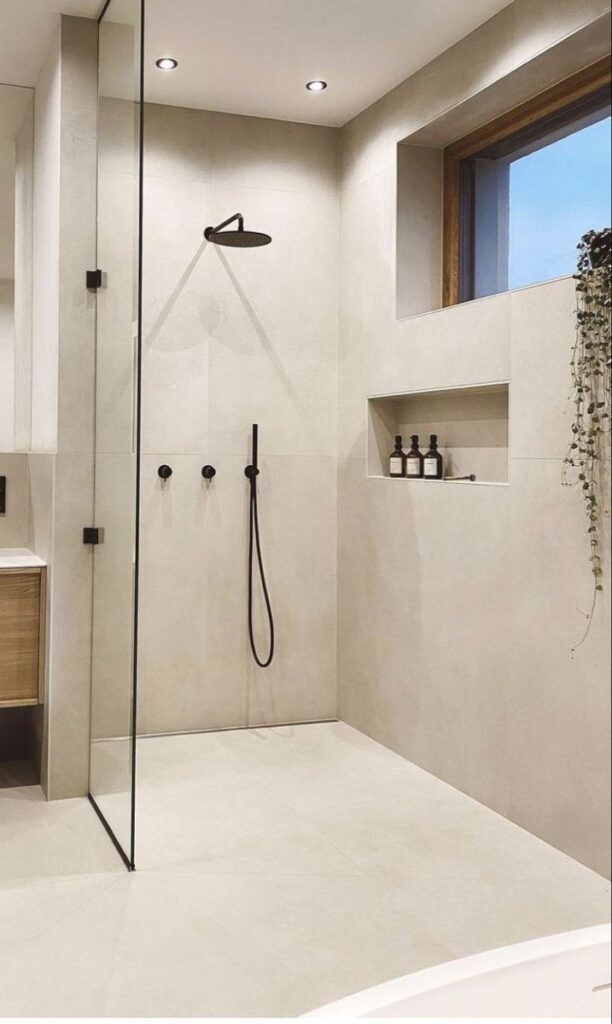
1) Hydraulics & Mechanical Design
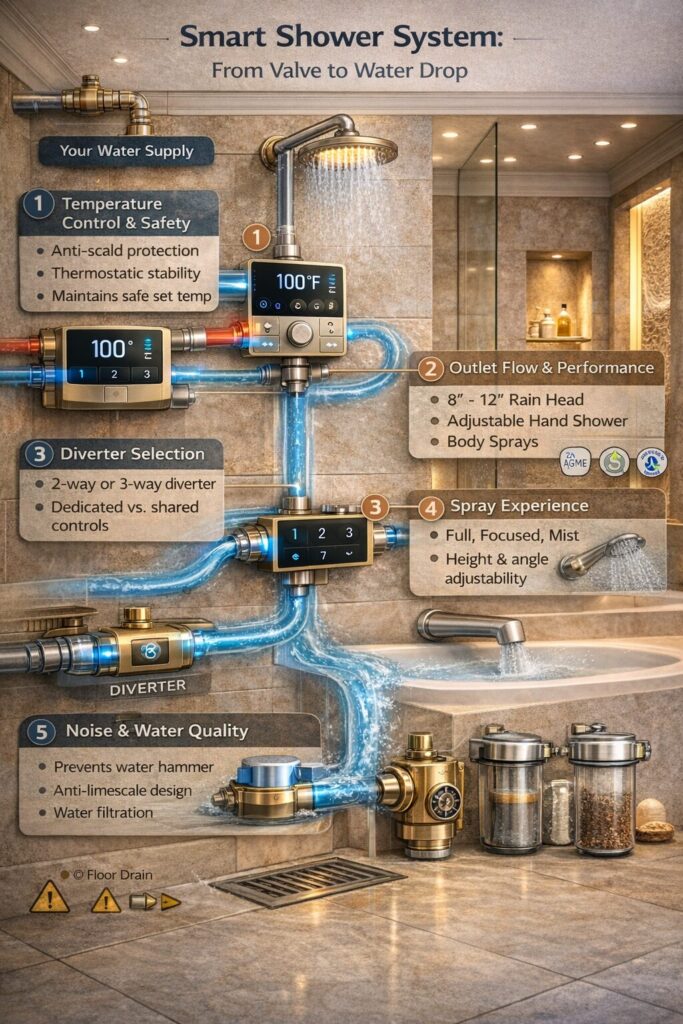
Verify pressure, flow, and hot-water capacity before selecting systems.
- Confirm available static and residual pressure at each floor.
- Size hot-water systems for longer spa dwell times.
- Coordinate recirculation and balancing for remote suites.
- Allow commissioning flexibility for post-opening tuning.
- Validate pipe sizing against peak simultaneous usage
- Account for pressure losses due to vertical lifts and long pipe runs.
- Design drainage systems to handle high discharge rates.
- Evaluate energy efficiency of hot-water generation and distribution systems.
- Ensure compliance with local plumbing codes and health regulations.
- Coordinate with architectural layouts to minimize pipe routing conflicts.
- Allow for future scalability or system upgrades without major redesign.
- When selecting fixtures and system components, consider reliable suppliers like BathSelect Showers to ensure compatibility, durability, and performance within your hydraulic design.
2) Controls & Guest UX Strategy
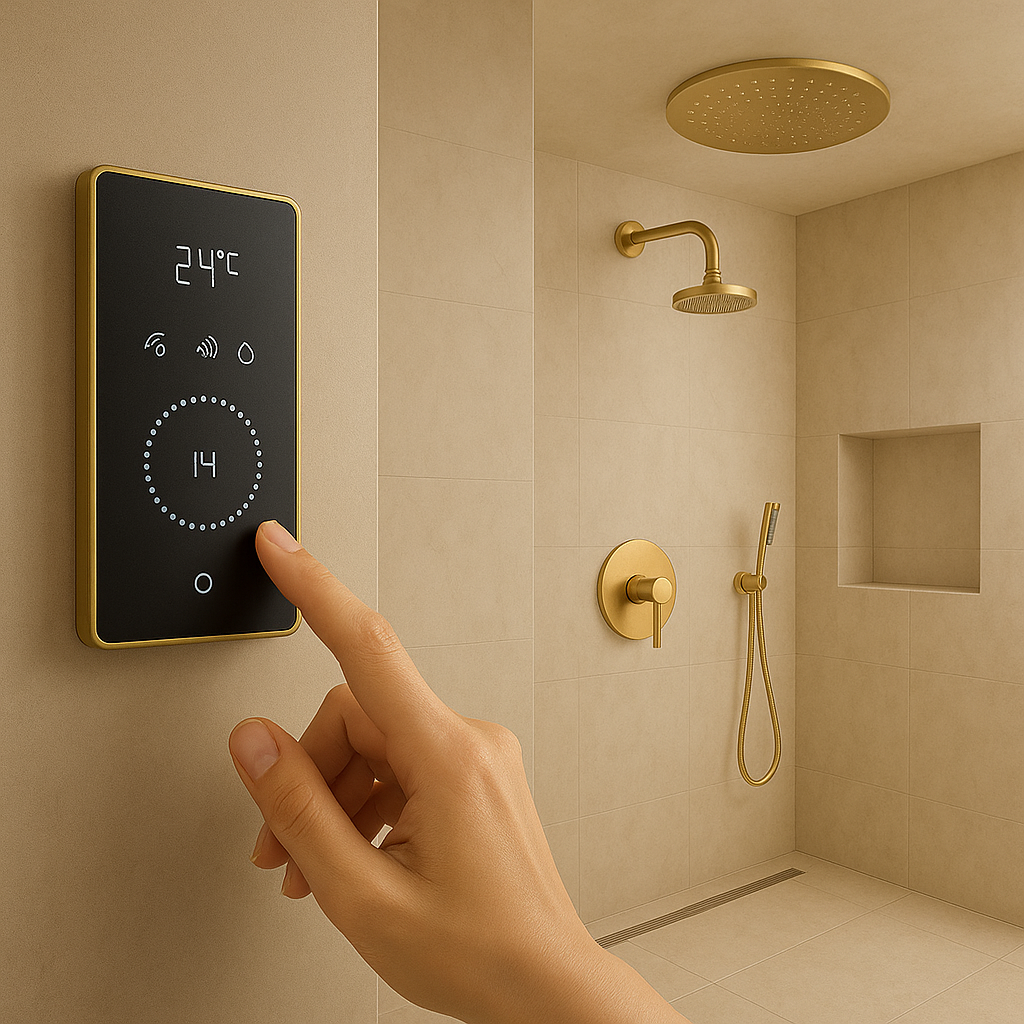
Interfaces should feel obvious, not experimental.
- Clear outlet labeling and intuitive icons.
- Thermostatic robustness vs. digital flexibility.
- Logical sequences: temperature first, outlets second.
- Reachable controls from the dry zone.
- Maintain consistent interface layouts across all spa suites.
- Provide visual and tactile feedback for user actions.
- Minimize steps required to activate common functions.
- Reachable controls from the dry zone.
- Ensure fail-safe defaults to prevent user discomfort or errors.
- Integrate lighting and sound controls into a unified interface.
- Test interfaces with real users to refine usability before deployment.
- Choose reliable solutions like Fontana Showers for intuitive controls that enhance both functionality and guest experience.
3) Safety, Code & Accessibility
Complex systems demand simple, reliable safety strategies.
- Thermostatic or digital anti-scald protection.
- Slip-resistant floors and dry-zone activation.
- Grab bars, seating, and compliant reach ranges.
- Mock-up testing of temperature limits and shutoff logic.
- Clear outlet labeling and intuitive icons.
- Ensure emergency shutoff controls are clearly visible and easily accessible.
- Maintain consistent maximum temperature limits across all outlets.
- Incorporate backflow prevention to protect water quality.
- Provide adequate lighting for safe navigation in wet areas.
- Use non-corrosive, durable materials for long-term safety compliance.
- Schedule regular inspection and maintenance protocols for all systems.
- Choose trusted solutions like Juno Showers to support safety, compliance, and reliable performance across spa environments.
4) Envelope, Moisture & Acoustics
Longer showers mean more humidity and higher failure risk.
- Continuous waterproofing at floors, walls, benches.
- Exhaust sized for extended spa use.
- Acoustic separation from adjacent guestrooms.
- Steam-ready detailing if future upgrades are likely.
- Use vapor barriers to prevent moisture migration into building structure.
- Select mold-resistant materials and finishes for longevity.
- Ensure proper slope for drainage to avoid standing water.
- Seal all joints and penetrations to maintain envelope integrity.
- Incorporate sound-absorbing materials to reduce water noise transmission.
- Plan access panels for inspection of concealed wet areas.
- Enhance performance and durability with a luxury Shower System designed for high-moisture spa environments.
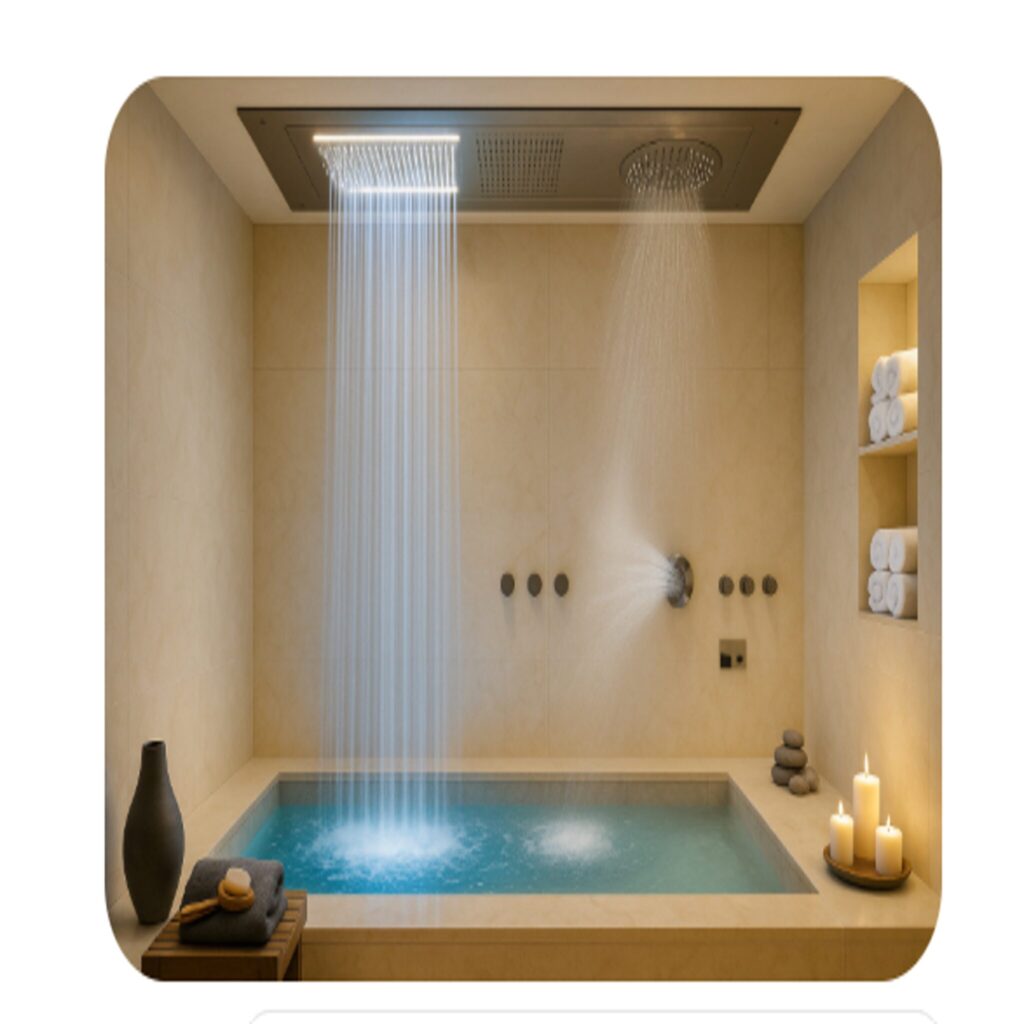
5) Selecting Heads, Jets & Components
Balance drama with serviceability and water use.
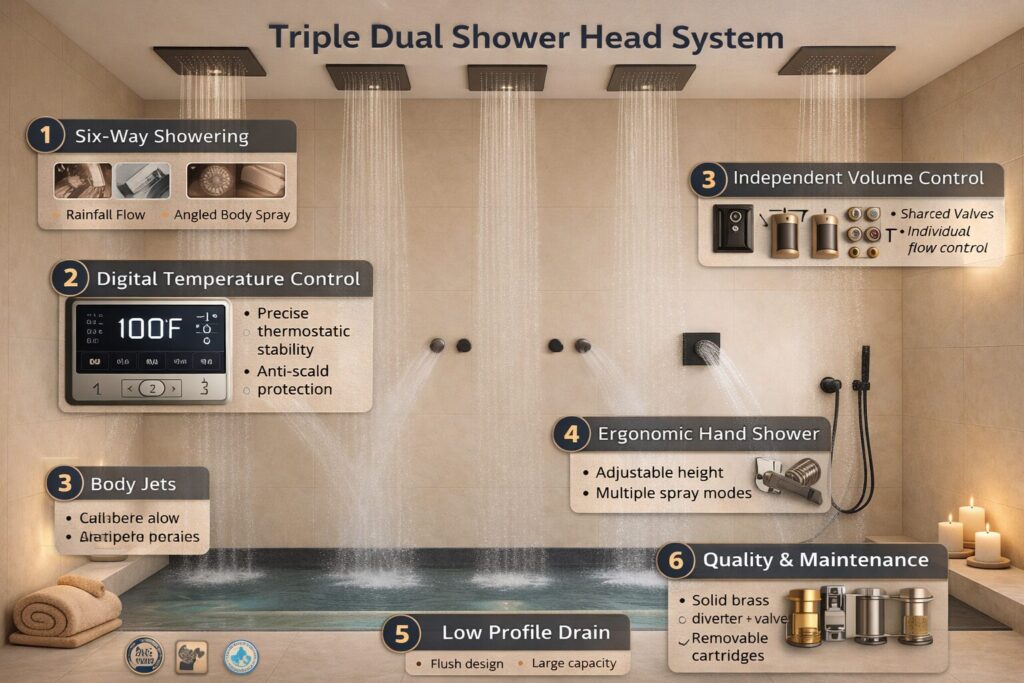
- Rainfall vs. waterfall performance differences.
- Selective body jets over dense grids.
- Handshowers for accessibility and cleaning.
- Pre-engineered packages reduce coordination risk.
- Match spray patterns to intended user experience and therapy goals.
- Ensure easy access for maintenance and replacement of components.
- Verify flow rates align with system capacity and water efficiency goals.
- Use adjustable jets to provide flexibility for different users.
- Coordinate placement to avoid interference between outlets.
- Select durable finishes to corrosion and mineral buildup
- For more guidance on selecting shower heads and jets. Read More.
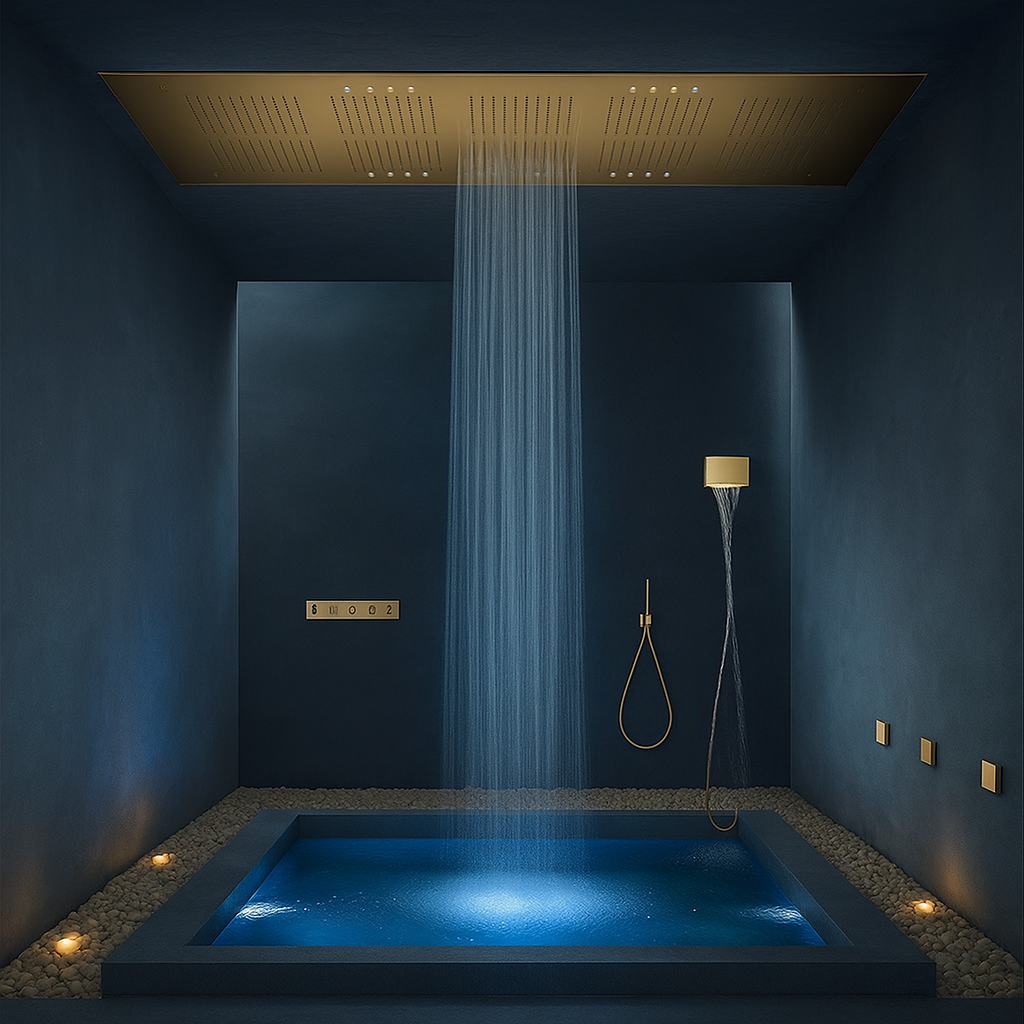
6) Spa Shower Templates
Repeatable layouts outperform one-off designs.
- Standard spa: rainfall + handshower + thermostatic control.
- Signature / couples: multiple outlets, presets, layered lighting.
- Locker & BOH: durability, tamper-resistant trims, heavy drainage.
- Maintain consistent rough-in dimensions to simplify installation and servicing.
- Use modular components to allow easy upgrades or replacements.
- Align with brand standards for a cohesive guest experience.
- Pre-coordinate electrical, plumbing, and control system requirements.
- Validate layouts through mock-ups before large-scale implementation.
- Optimize for both performance efficiency and cost control.
- For more guidance on spa showers. Read On.